Graffiti has long lived in the space between rebellion and recognition. For decades, it was treated as a visual interruption—something sprayed onto walls under cover of darkness, quickly removed, and rarely discussed as art. Yet the story of the longest graffiti wall in the world shows how dramatically that perception has changed. What was once considered an act of defiance has become a form of cultural storytelling, urban identity, tourism, and even record-breaking achievement.
The idea of a graffiti wall stretching for kilometers is more than a novelty. It represents a shift in how cities think about public space. Instead of seeing walls as blank barriers, communities, artists, and organizers have begun to see them as open-air canvases. The longest graffiti wall in the world is not only impressive because of its size; it is important because it proves that street art can unite creativity, planning, and public pride on a massive scale.
From Street Corners to Global Recognition
Graffiti began as a language of visibility. In many cities, especially during the late twentieth century, writers used tags, symbols, and murals to announce their presence in places where they felt ignored. Subway cars, alleyways, bridges, and abandoned buildings became informal galleries. The work was fast, bold, and often illegal, but it carried energy that traditional art spaces could not replicate.
Over time, graffiti evolved. Tags became complex lettering. Lettering became murals. Murals became community projects. Artists who once painted in hidden corners began receiving commissions from brands, museums, festivals, and city councils. The same techniques that were once scrubbed from public walls started appearing in curated neighborhoods and international art fairs.
A record-breaking graffiti wall fits into this larger transformation. It takes something rooted in spontaneity and scales it into an organized cultural event. The wall becomes a meeting point between underground expression and public celebration, proving that graffiti can be both raw and respected.
The Making of a Record-Breaking Wall
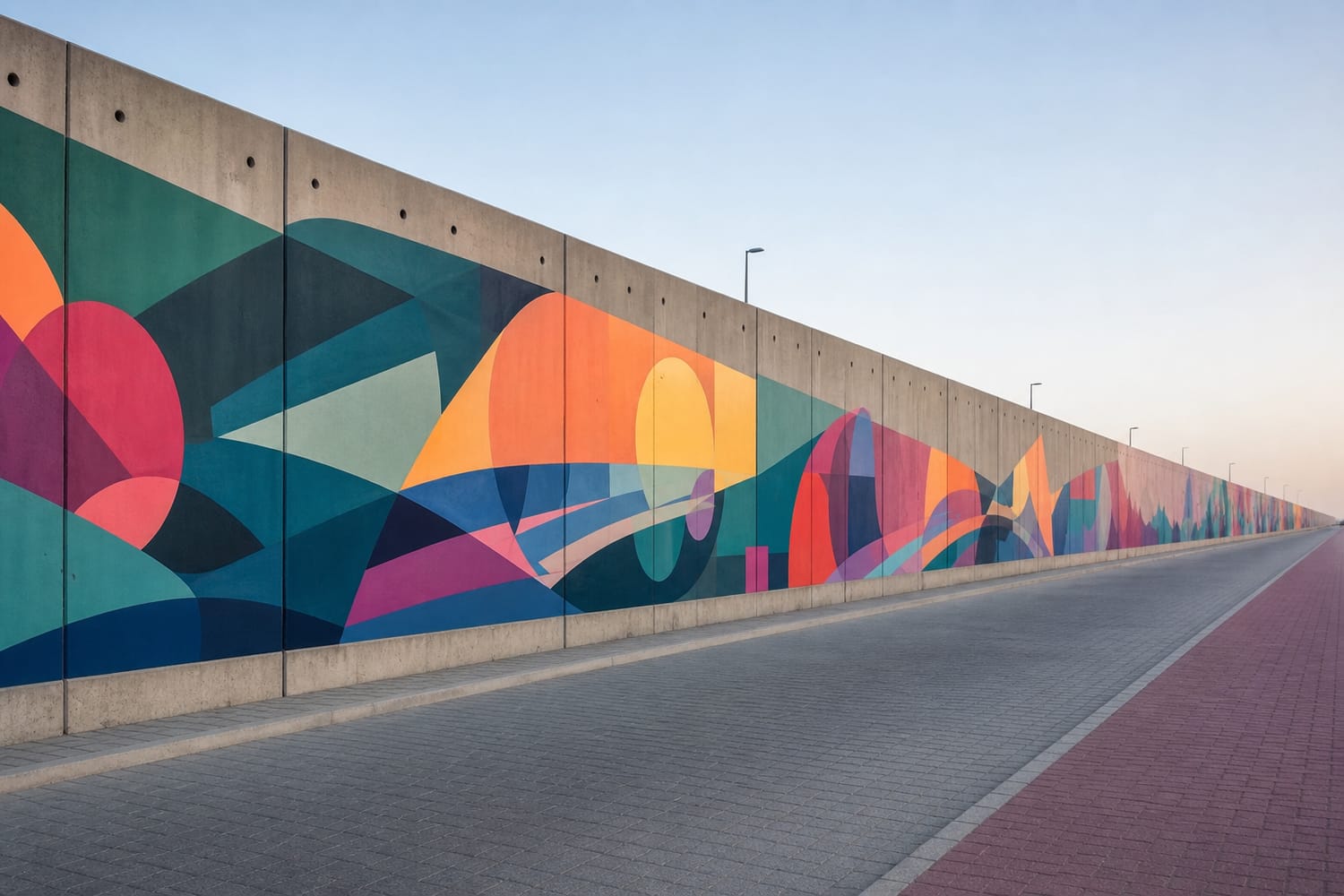
Creating the longest graffiti wall in the world is not as simple as handing artists spray cans and pointing them toward concrete. A project of this size requires planning, permissions, logistics, safety measures, materials, and documentation. To qualify for a world record, organizers must usually follow strict guidelines, including accurate measurement, clear evidence, and independent verification.
One widely recognized example is Dubai’s record-setting graffiti project, often known as “Rehlatna,” which means “Our Journey.” Created in 2014, the artwork stretched for more than two kilometers and involved a large team of international and local graffiti artists. It was designed to celebrate the history, identity, and future of the United Arab Emirates, turning a long urban surface into a visual timeline.
The scale alone made it remarkable. A wall of that length demands consistency without becoming repetitive. Artists must balance individual style with the overall theme. Sections need to connect visually, even if they are painted by different hands. Colors, symbols, typography, portraits, and abstract elements must work together so that the wall feels like one continuous experience rather than a disconnected series of paintings.
Street Art as Storytelling
The most memorable graffiti walls are not just long; they say something. They tell stories about the place where they stand. A record-breaking graffiti wall can become a cultural archive, preserving local history, national pride, social memory, and collective imagination.
In projects like Dubai’s, the wall becomes a journey through heritage and modernity. Traditional symbols can appear beside futuristic skylines. Portraits of historical figures may sit next to scenes of everyday life. Calligraphy, patterns, animals, architecture, and landscapes can all become part of the same visual narrative.
This is one of street art’s greatest strengths: it speaks quickly and publicly. A passerby does not need a museum ticket or an art history degree to engage with it. The wall is available to everyone. People can walk alongside it, photograph it, debate it, and revisit it. It becomes part of the city’s shared visual language.
Why Size Matters
In art, bigger does not always mean better. But when it comes to a graffiti wall, scale changes the experience. A small mural can be powerful, but a wall stretching for kilometers becomes immersive. Viewers do not simply look at it; they travel through it. The artwork becomes almost cinematic, revealing itself frame by frame as people walk, cycle, or drive past.
The length also creates a sense of achievement. It shows what can happen when many artists contribute to a single vision. No one person could easily complete such a wall alone, and that collective nature is part of its appeal. The record is not just about paint on concrete; it is about collaboration.
A massive graffiti wall also challenges stereotypes about street art being careless or chaotic. Large-scale projects require discipline. Artists must work within time limits, environmental conditions, assigned spaces, and thematic guidelines. The finished result demonstrates technical skill, endurance, and coordination.
A Landmark Beyond the Record
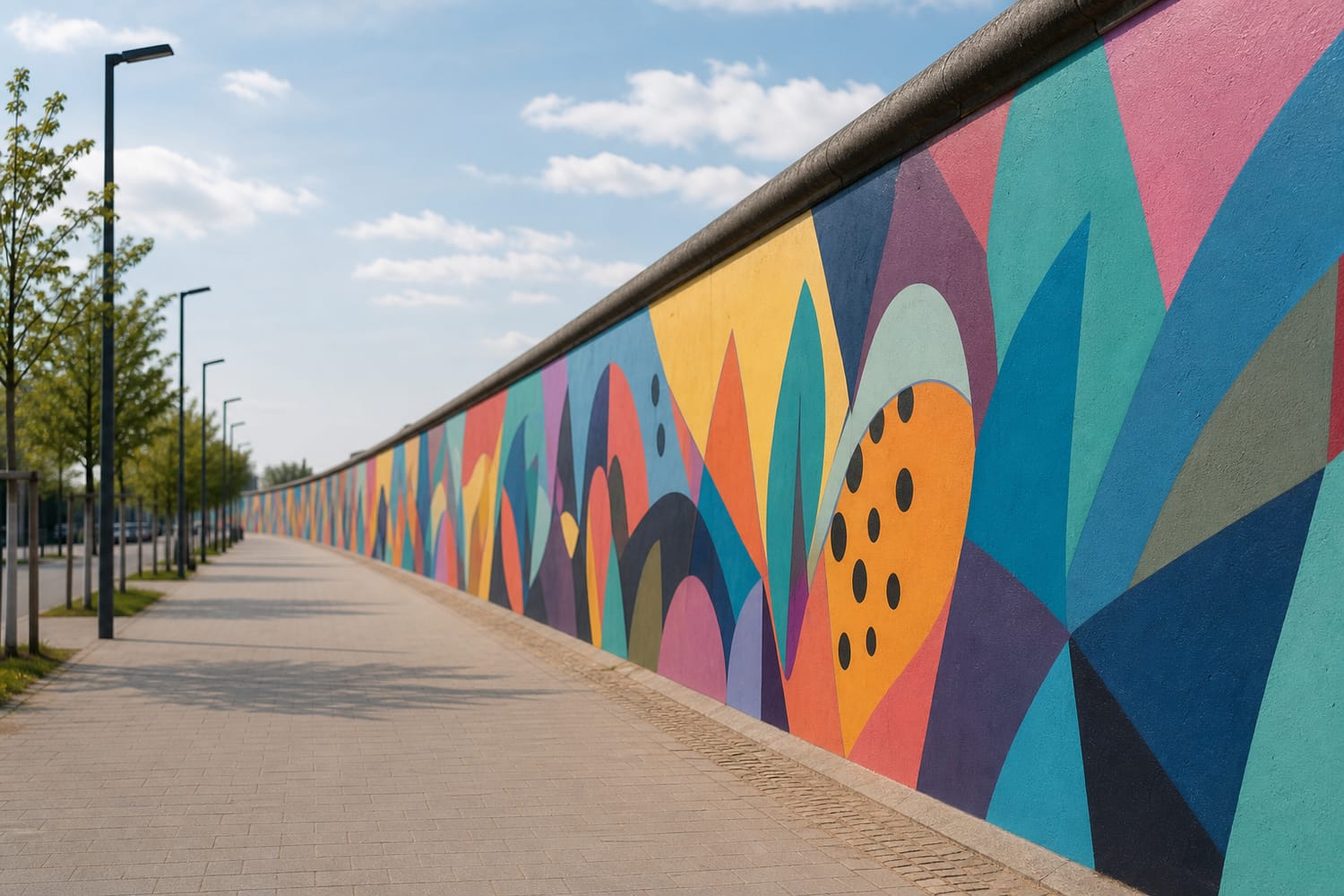
A world record brings attention, but a landmark lasts because people continue to care about it. The longest graffiti wall in the world attracts visitors not only because it holds a title, but because it offers an experience. It gives people a reason to explore an area, take photographs, learn about local culture, and see urban space differently.
Street art landmarks often become outdoor museums. Unlike traditional museums, they are woven into daily life. Commuters pass them on the way to work. Tourists seek them out as photo stops. Local residents use them as points of reference. Over time, the wall becomes part of the city’s identity.
This is especially important in modern urban development. Cities around the world are searching for ways to make public spaces more human, memorable, and creative. A long graffiti wall can transform an otherwise ordinary stretch of infrastructure into a destination. It can soften hard concrete, bring color to busy districts, and invite people to slow down.
The Role of Artists and Community
The success of a record-breaking graffiti wall depends on the artists, but it also depends on community support. When local people feel connected to the artwork, the wall becomes more than decoration. It becomes a shared achievement.
Community involvement can take many forms. Residents may contribute ideas, stories, or symbols. Young artists may be invited to assist experienced muralists. Schools, cultural organizations, and local businesses may participate in events around the project. This kind of involvement helps prevent the wall from feeling imposed or artificial.
For graffiti artists, such projects can also provide visibility and legitimacy. Many street artists build their careers through public work, and a major wall can introduce their style to a wider audience. At the same time, the presence of graffiti in official spaces raises important questions: Can street art remain authentic when it is commissioned? Does legalization change its meaning? The best projects respect graffiti’s roots while allowing it to evolve.
Preservation and Change
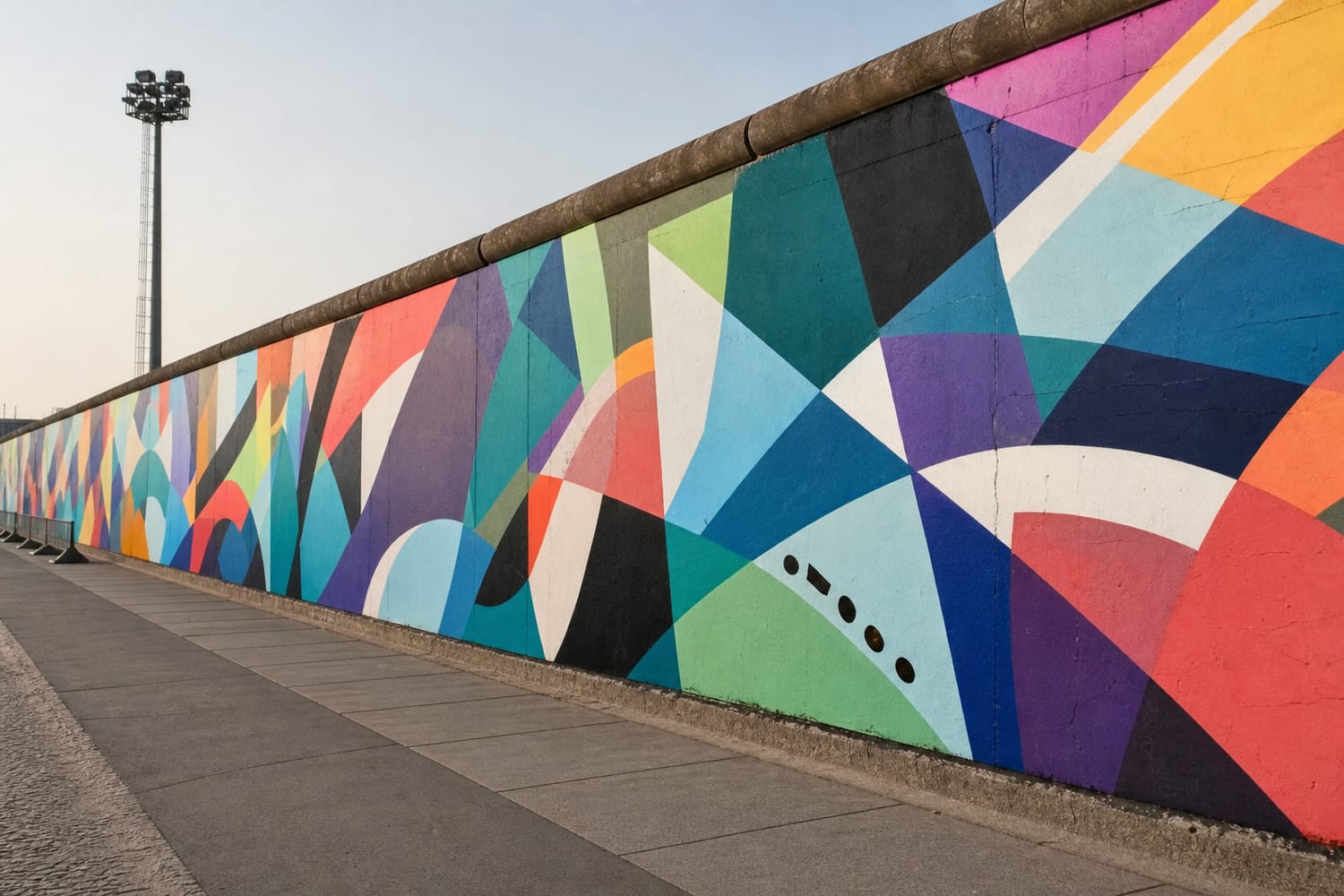
One of the challenges of any graffiti landmark is preservation. Street art is exposed to weather, sunlight, pollution, and human contact. Colors fade. Surfaces crack. New tags may appear. Cities must decide whether to restore, protect, repaint, or allow natural change.
This raises a fascinating tension. Graffiti has historically been temporary. Its impermanence is part of its identity. A record-breaking wall, however, often becomes something people want to preserve. Once it becomes a landmark, it is treated less like a passing expression and more like public heritage.
Some walls are maintained carefully, while others are allowed to evolve. Both approaches have value. Preservation honors the original work and the record it achieved. Evolution keeps the wall alive, allowing new generations of artists to leave their mark. The choice depends on the purpose of the wall and the community around it.
How Street Art Changed Public Space
The rise of landmark graffiti walls reflects a broader change in urban culture. Cities are no longer judged only by skyscrapers, monuments, and shopping districts. They are also judged by their creativity, walkability, and sense of place. Street art contributes to all of these.
A graffiti wall can make a city feel more open and expressive. It can turn neglected areas into cultural corridors. It can encourage public interaction and create visual memories that people associate with a specific place. In an age when many urban environments risk looking the same, street art offers distinction.
Record-breaking projects amplify this effect. They draw media attention, attract visitors, and create civic pride. But their deeper value lies in proving that public art does not have to be confined to statues or galleries. It can stretch along roads, wrap around neighborhoods, and speak in colors as loud as the city itself.
The longest graffiti wall in the world is more than a measurement. It is a symbol of how far street art has traveled—from hidden tags and contested walls to celebrated landmarks and world records. Its length captures attention, but its meaning comes from collaboration, storytelling, and the transformation of public space.
Such a wall reminds us that cities are not finished objects. They are living canvases shaped by the people who move through them. When graffiti is given room to breathe, it can become history, identity, and spectacle all at once.
What began as paint on a wall has become something larger: a record-breaking landmark that proves street art belongs not only in the margins, but at the heart of the modern city.