A Brewery Older Than Most Modern Nations
The Bavarian State Brewery Weihenstephan in Freising, Germany, is widely recognized as the world’s oldest working brewery. Its official founding date is 1040, when the Benedictine monastery at Weihenstephan reportedly obtained the right to brew and sell beer. That means the brewery has been operating for approximately 986 years—and will celebrate its millennium in 2040.
For perspective, Weihenstephan was producing beer centuries before the printing press transformed Europe and long before many of today’s countries existed. Yet this remarkable institution is not simply a historical attraction. It remains an active, modern brewery whose beers are distributed internationally.
Beer on Weihenstephan Hill
Weihenstephan stands on a hill overlooking Freising, a Bavarian city north of Munich. According to the brewery’s official history, Saint Corbinian and his companions established a Benedictine monastery there in the eighth century. A document from 768 mentions a nearby hop garden whose owner paid a portion of the harvest to the monastery, suggesting an early connection between the site and brewing.
Monasteries were important centers of medieval beer production. Monks needed nourishing beverages for themselves, their guests and travelers seeking shelter. Beer could also be sold to support the monastery, making brewing both a practical craft and a valuable source of income.
Weihenstephan identifies 1040 as the decisive year in its history. Abbot Arnold is traditionally said to have secured permission to brew and sell beer, formally creating the monastery brewery. This date is also accepted by Guinness World Records, which lists Weihenstephan as the oldest working brewery.
Surviving Nearly a Millennium
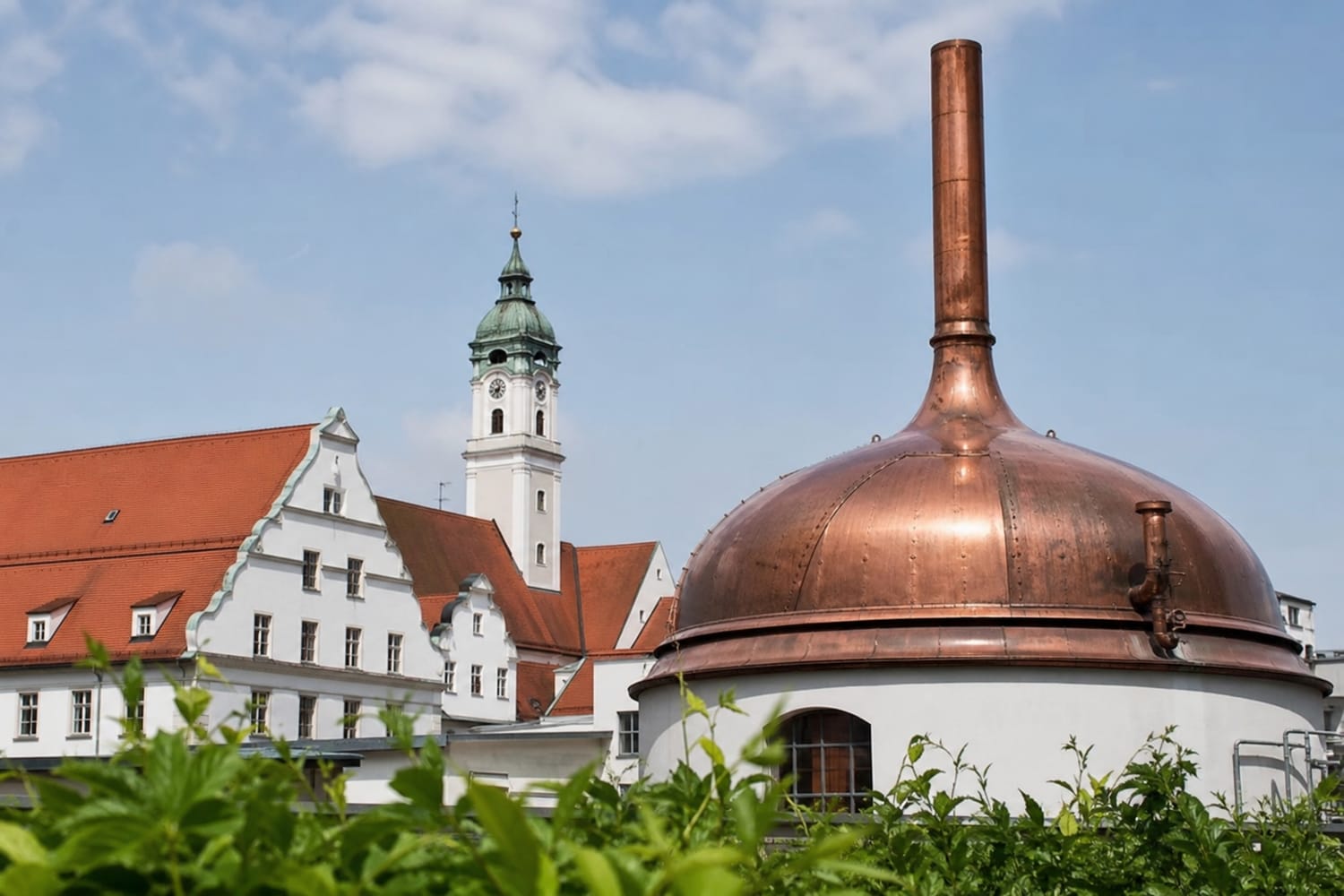
Remaining in business for almost 1,000 years requires more than a good beer recipe. Weihenstephan survived repeated destruction, political upheaval and enormous changes in how beer was produced and consumed.
The monastery was plundered and damaged more than once during the Middle Ages. Fires, epidemics and warfare created further setbacks, but the site was repeatedly rebuilt. Each reconstruction allowed the brewing tradition to continue, even as generations of monks, workers and administrators came and went.
One of the most significant turning points arrived in 1803, when Bavaria secularized many religious properties. Weihenstephan Abbey was dissolved, but its brewery did not disappear. Instead, it passed into the possession of the Bavarian state.
This change helps explain the brewery’s present name: Bayerische Staatsbrauerei Weihenstephan, or Bavarian State Brewery Weihenstephan. It remains state-owned, connecting its monastic origins with a modern public enterprise.
Is It Really the World’s Oldest Brewery?
Claims involving ancient businesses are rarely straightforward. Records can be incomplete, definitions vary, and a brewing tradition at one location does not necessarily prove uninterrupted operation by one organization.
Weihenstephan’s 1040 founding date is therefore sometimes discussed with caution. The brewery presents itself as the oldest continuously operating brewery, while Guinness recognizes it as the oldest working brewery. Historians nevertheless distinguish between traditional accounts, surviving documents and later confirmations of brewing rights.
Another Bavarian institution, Weltenburg Abbey Brewery, says beer has been produced at its location since 1050. It describes itself more specifically as the world’s oldest monastery brewery, while Weihenstephan became a state brewery after its monastery was dissolved.
That difference in wording matters. Weihenstephan has the earlier claimed date and the best-known international recognition, while Weltenburg retains an active monastic connection. Both represent extraordinary examples of Bavaria’s brewing heritage.
For readers fascinated by unusual achievements involving food and drink, the site’s collection of food records and trivia offers many more historical and record-breaking examples.
Tradition Does Not Mean Brewing the Same Beer Forever
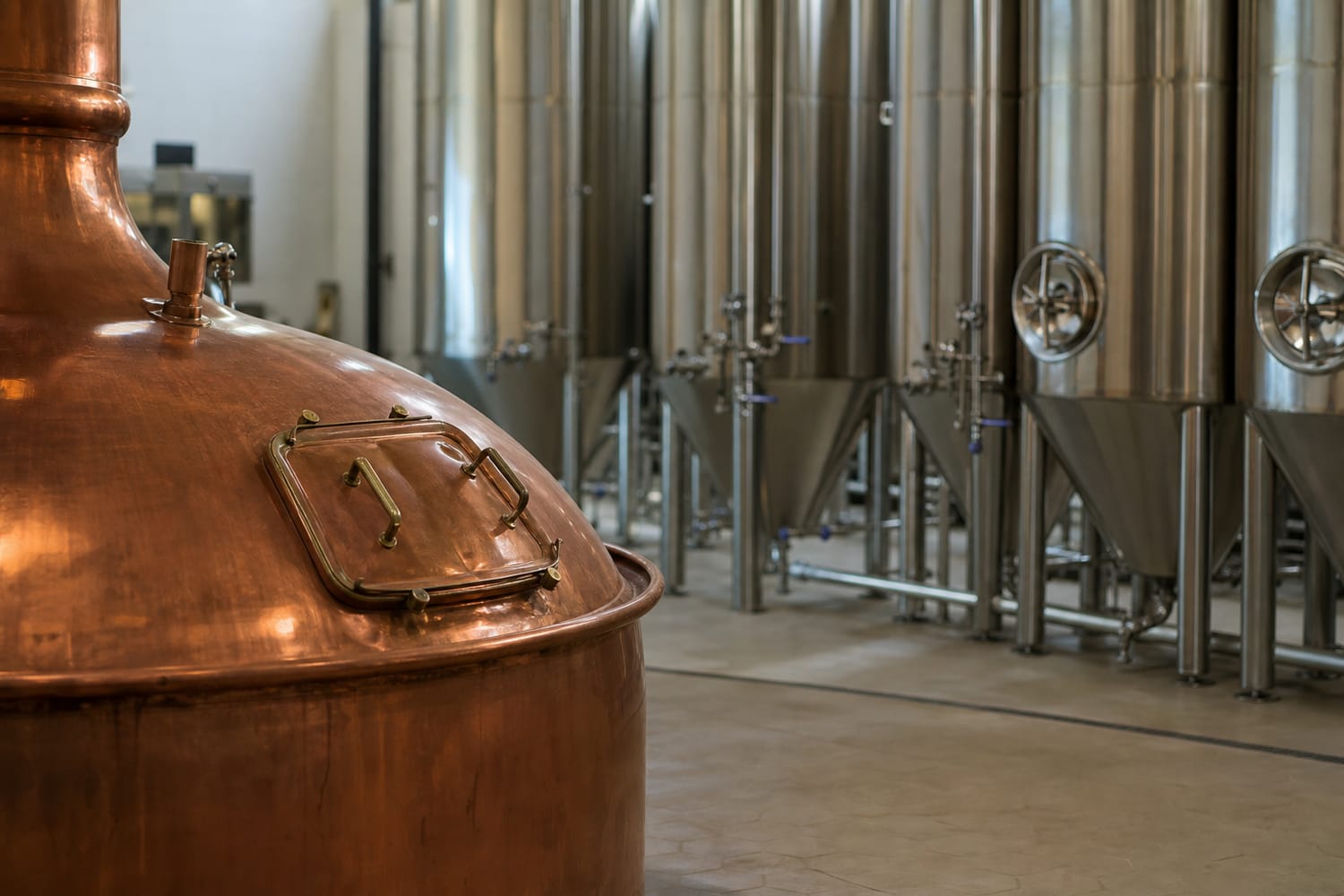
It is tempting to imagine that a modern glass of Weihenstephan beer tastes exactly like one served in 1040. In reality, medieval beer would have been very different.
Early brewers lacked purified yeast cultures, stainless-steel equipment, refrigeration and precise temperature controls. Ingredients varied with local harvests, while fermentation depended heavily on environmental conditions. The resulting beer was likely less consistent and had a shorter shelf life than modern commercial beer.
Today’s brewing process is far more controlled:
- Malted grain is crushed and mixed with water during mashing.
- The liquid wort is separated from the grain.
- Hops are added during boiling for bitterness and aroma.
- Yeast converts fermentable sugars into alcohol and carbon dioxide.
- The beer matures before filtration, packaging or further conditioning.
Weihenstephan’s achievement is not the preservation of one unchanged recipe. It is the preservation of a brewing institution that has continually adapted while maintaining its identity.
Where Ancient Brewing Meets Modern Science
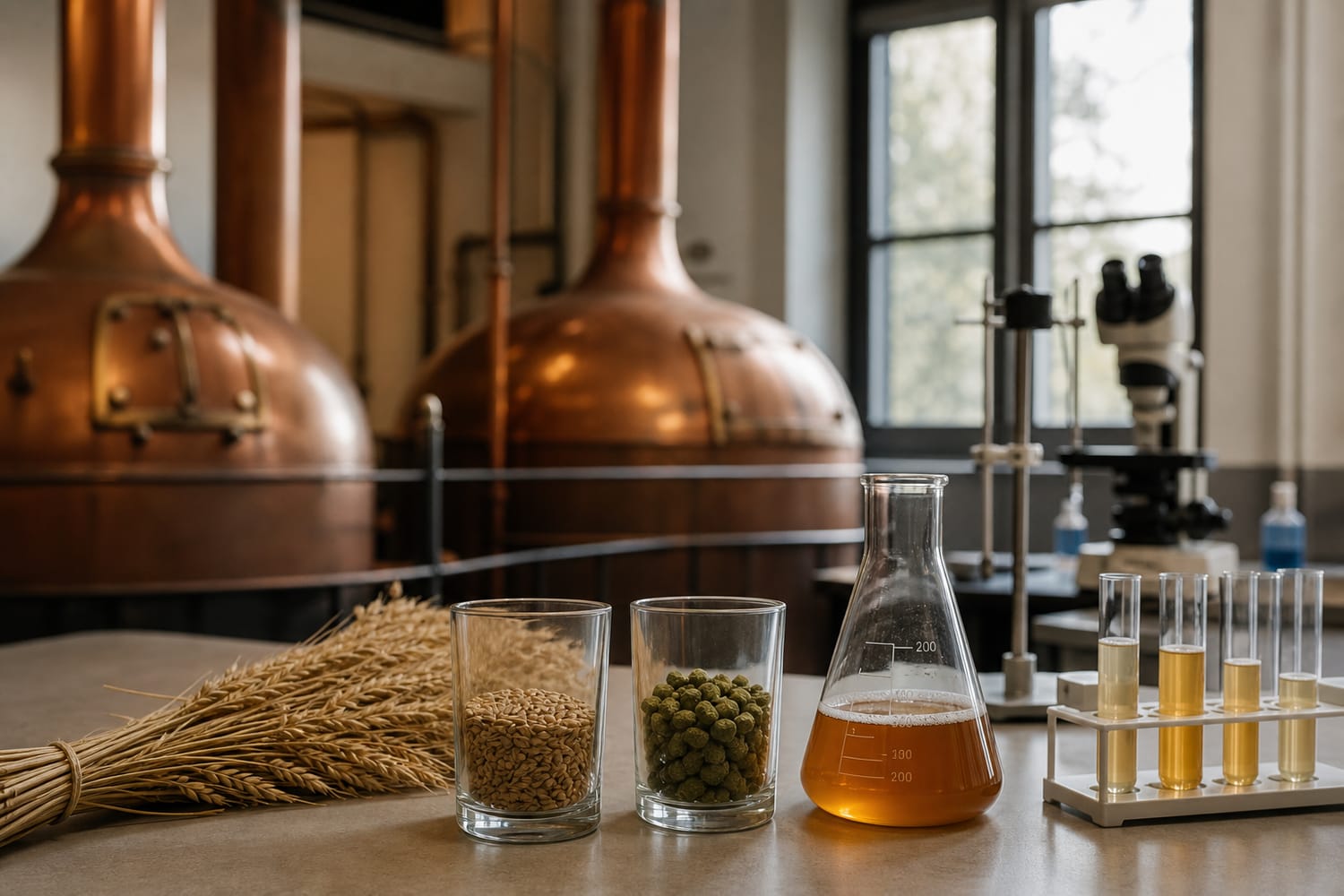
Weihenstephan is unusual because its historic brewery stands beside one of the world’s most influential centers for brewing education and research. The Technical University of Munich maintains brewing and beverage technology facilities on Weihenstephan Hill.
The university’s Research Center Weihenstephan for Brewing and Food Quality connects scientific research with practical industry needs. Its work includes product analysis, microbiology, brewing technology and quality control.
Formal brewing education at Weihenstephan developed during the 19th century. The site later became internationally associated with training brewmasters and advancing fermentation science. Modern research there examines subjects such as raw materials, yeast behavior, production efficiency, dealcoholization and digital brewing technology.
This relationship between heritage and innovation is central to Weihenstephan’s longevity. The brewery did not survive by resisting progress. It survived by absorbing new knowledge without abandoning the traditions that made it distinctive.
The Beers Behind the Record
Weihenstephan is especially famous for Bavarian wheat beer, although it produces several traditional styles. Its range includes pale lagers, dark beers, wheat beers and stronger specialty brews.
These beers reflect the flavors commonly associated with Bavarian brewing: grain-rich malt character, balanced hop bitterness and carefully managed fermentation. Wheat beers may display fruity and spicy aromas created naturally by yeast, while lagers emphasize clarity, smoothness and a clean finish.
The brewery’s international success demonstrates that its reputation depends on more than age. A business cannot rely on a founding date alone for nearly ten centuries; its products must remain relevant to each new generation.
That combination of culinary tradition and record-breaking history also places Weihenstephan alongside the many remarkable creations featured in this collection of unusual food records.
Why Weihenstephan’s Story Still Matters
The world’s oldest brewery represents something larger than beer. It shows how a craft can endure when knowledge is passed down, tested and improved rather than treated as a museum piece.
Weihenstephan has changed ownership, adopted new technology and evolved from a monastery operation into a modern state brewery. The buildings, equipment and recipes have changed, but the purpose of the site has remained remarkably consistent: turning water, grain, hops and yeast into beer.
As its 1,000th anniversary approaches in 2040, Weihenstephan offers a rare connection between medieval Europe and the modern brewing industry. Every bottle carries not an untouched thousand-year-old recipe, but the accumulated knowledge of almost a millennium—making the brewery’s survival one of the most impressive records in food and drink history.