Why Fandoms Have Become Pop Culture Powerhouses
Fandoms are no longer just groups of people who enjoy the same movie, artist, book, game, or franchise. Today, the biggest fandoms in pop culture function like global communities, marketing engines, social movements, and sometimes even economic forces. They can sell out stadiums, crash ticketing websites, push songs to number one, revive canceled shows, dominate social media trends, and turn niche interests into worldwide phenomena.
What makes modern fandoms so powerful is connection. Social media platforms, streaming services, conventions, fan fiction sites, Discord servers, Reddit communities, and global fan accounts have made it easier than ever for fans to organize. A fan in Seoul, São Paulo, Lagos, London, or Los Angeles can participate in the same online campaign within seconds.
The largest fandoms are not defined only by size. They are also measured by passion, loyalty, creativity, spending power, and cultural influence. From music fan armies to fantasy readers, superhero devotees, gamers, anime lovers, and sci-fi communities, these groups have helped shape what global entertainment looks like today.
BTS ARMY and the Power of Global Music Fandom
Few modern fandoms are as organized, visible, and record-breaking as BTS ARMY. The fanbase of South Korean group BTS has become one of the most influential communities in music history. ARMY is known for streaming campaigns, charity projects, social media coordination, translation networks, voting efforts, and its ability to mobilize millions of fans across different countries.
BTS’s success on global charts has often been linked to the dedication of ARMY. The group has broken YouTube premiere records, topped Billboard charts, sold out stadiums worldwide, and helped expand the global reach of K-pop. ARMY’s influence extends beyond music promotion. Fans have raised money for humanitarian causes, supported disaster relief, and participated in social justice campaigns.
What makes ARMY remarkable is its international structure. Volunteer translators make BTS content accessible across languages, while fan accounts track voting deadlines, chart performance, concert updates, and streaming goals. This level of organization has turned ARMY into one of the clearest examples of a fandom functioning like a global digital movement.
Swifties and the Era of Fan-Led Pop Dominance
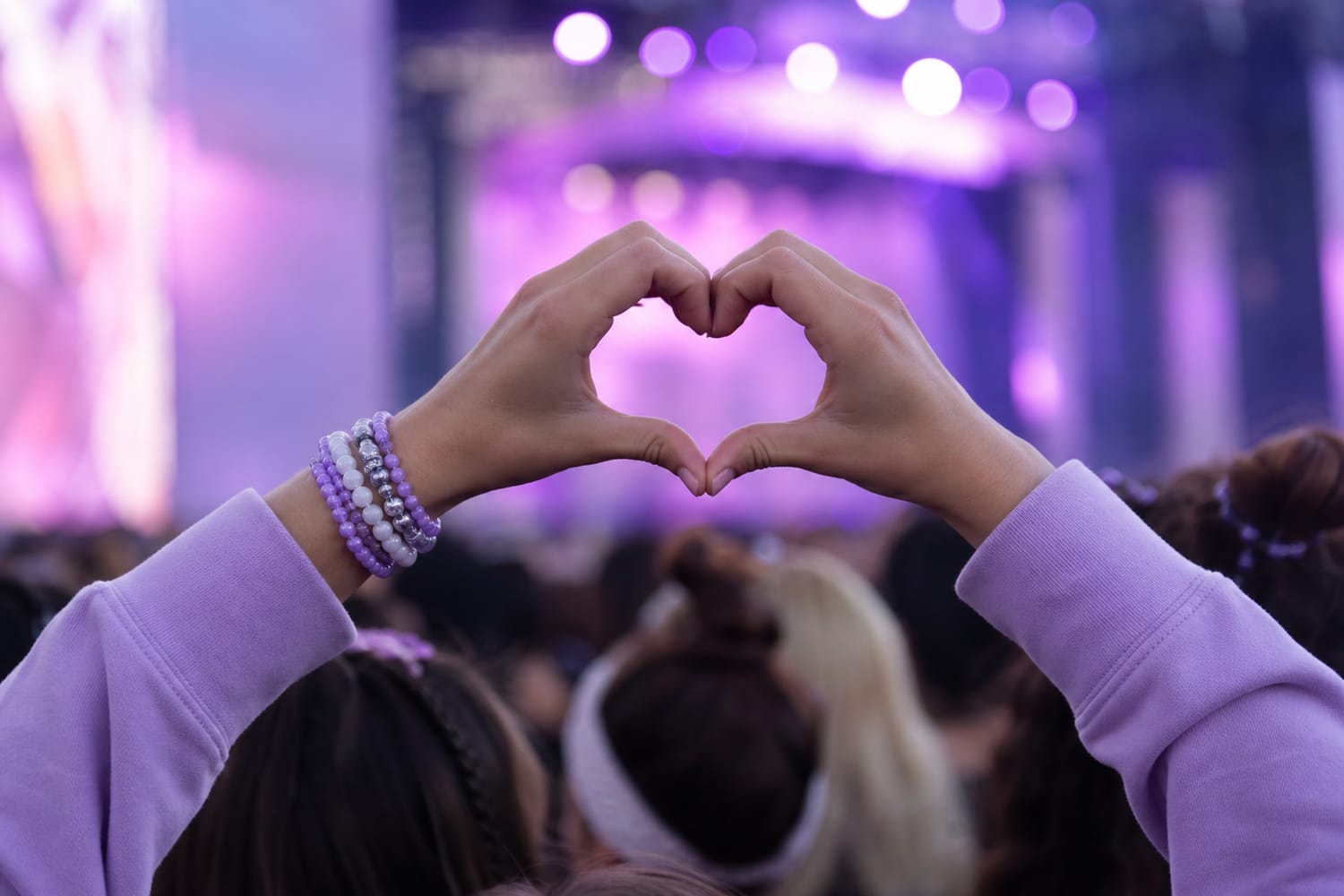
Taylor Swift’s fans, known as Swifties, are among the most powerful fandoms in pop music. Their loyalty has followed Swift through country, pop, indie-folk, and re-recorded eras, helping her remain one of the most commercially successful artists of the century.
Swifties are known for decoding Easter eggs, analyzing lyrics, building theories, and turning every album release into a major cultural event. The fandom’s enthusiasm helped make The Eras Tour one of the highest-grossing tours of all time, while the concert film became a box office phenomenon. Swifties have also played a major role in supporting Taylor’s re-recording project, turning “Taylor’s Version” albums into chart-topping statements about artist ownership.
The Swiftie fandom is especially notable for its emotional connection to storytelling. Fans often relate Swift’s lyrics to their own personal experiences, which creates a strong sense of intimacy between artist and audience. This relationship has helped the fandom become not only huge, but deeply invested.
Potterheads and the Lasting Magic of the Wizarding World
The Harry Potter fandom, often called Potterheads, remains one of the most enduring fan communities in modern pop culture. Since the release of J.K. Rowling’s book series, the Wizarding World has grown into a massive franchise including films, theme parks, merchandise, stage productions, video games, fan conventions, and online communities.
Potterheads helped transform young adult fantasy publishing. Midnight book releases became cultural events, with fans dressing in robes, debating theories, and waiting in long lines to discover what would happen next. The film adaptations expanded the fandom further, introducing the story to new generations around the world.
Even years after the final book and film, the fandom continues through re-reads, fan fiction, cosplay, house sorting quizzes, podcasts, and themed experiences. While the franchise has faced controversy, its cultural footprint remains enormous. The idea of being sorted into Gryffindor, Slytherin, Ravenclaw, or Hufflepuff is still instantly recognizable across much of the world.
Star Wars Fans and the Original Blockbuster Fandom
Star Wars has one of the oldest and most influential fandoms in pop culture. Since the original film premiered in 1977, fans have helped turn the galaxy far, far away into a multigenerational empire. Star Wars fandom includes film lovers, collectors, cosplayers, gamers, novel readers, lore experts, and convention-goers.
The franchise helped define modern fan culture. Its merchandise boom changed Hollywood’s approach to licensing, while its expanded universe encouraged fans to engage with stories beyond the main films. Characters like Darth Vader, Luke Skywalker, Princess Leia, Yoda, and later icons such as Ahsoka Tano and Grogu have become part of global pop culture language.
Star Wars fans are also famous for passionate debate. Whether discussing trilogies, timelines, canon, or character arcs, the fandom is deeply engaged. While disagreements can be intense, the franchise’s ability to keep generating conversation after nearly five decades proves the power of its fanbase.
Marvel Fans and the Superhero Universe That Took Over the Box Office
The Marvel fandom exploded in size with the rise of the Marvel Cinematic Universe. While Marvel Comics already had decades of devoted readers, the MCU brought characters such as Iron Man, Captain America, Thor, Black Panther, Doctor Strange, and the Guardians of the Galaxy to a massive global audience.
Marvel fans helped turn interconnected storytelling into a dominant entertainment model. The release of Avengers: Endgame became a record-breaking cinematic event, with fans around the world gathering for opening-night screenings and emotional farewells. The MCU’s success also made post-credit scenes, shared universes, and fan theories central to mainstream movie culture.
Beyond the films, Marvel fandom thrives through comics, cosplay, fan art, conventions, video games, and online speculation. Fans track casting rumors, trailer details, multiverse theories, and comic book references with incredible attention. The fandom’s size and enthusiasm have helped superhero storytelling remain one of the defining forces in contemporary entertainment.
Anime Fandoms and the Global Rise of Japanese Pop Culture
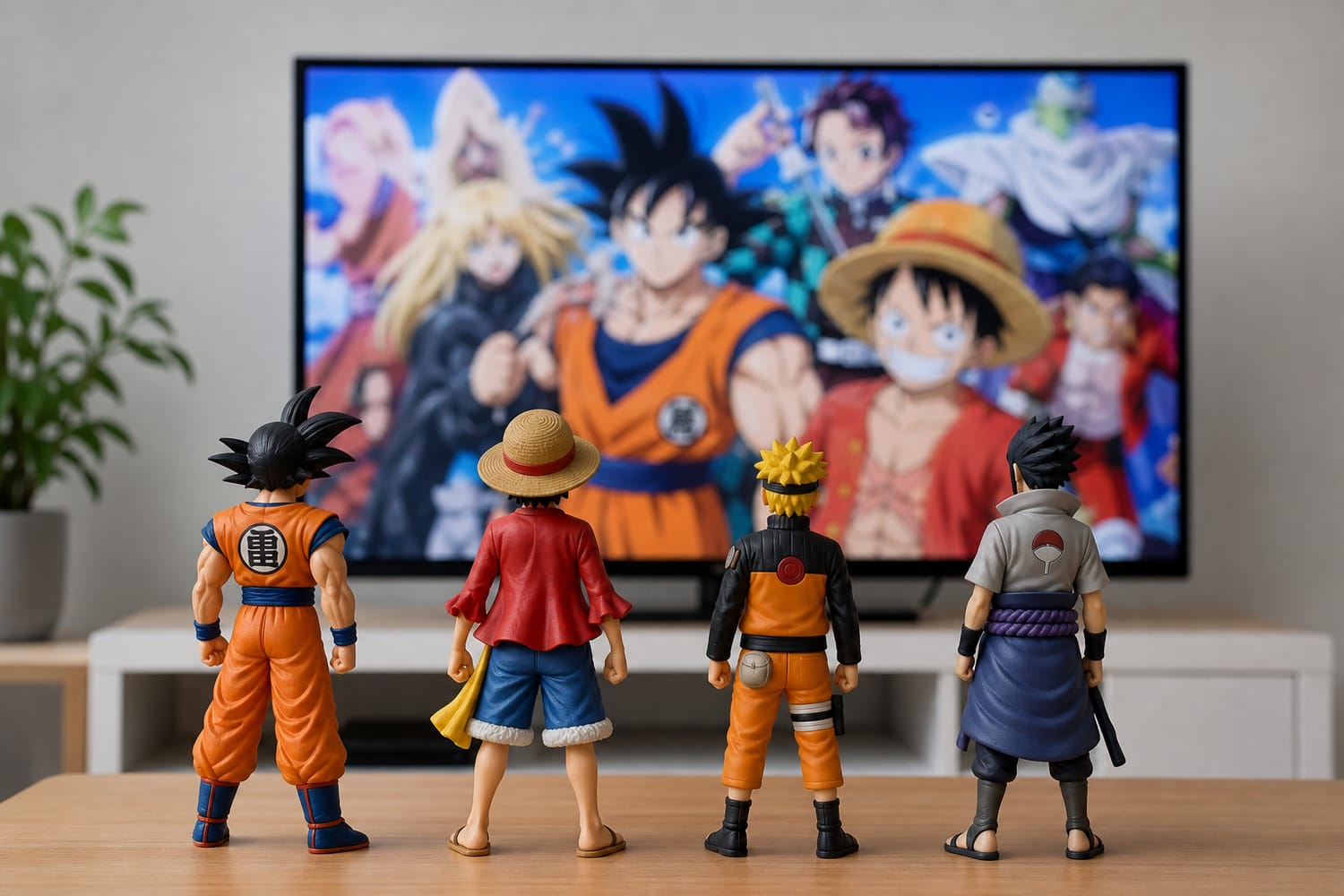
Anime fandom has grown from a passionate subculture into a worldwide pop culture force. Series such as Dragon Ball, Naruto, One Piece, Sailor Moon, Attack on Titan, Demon Slayer, Jujutsu Kaisen, and My Hero Academia have built enormous international fanbases.
Anime fans are among the most creative communities in pop culture. They produce fan art, cosplay, edits, reaction videos, reviews, fan fiction, and detailed lore discussions. Anime conventions attract massive crowds, while streaming platforms have made new series instantly accessible to global audiences.
The One Piece fandom is especially notable for its longevity and scale. With decades of manga chapters, anime episodes, films, and merchandise, it has become one of the best-selling manga franchises in history. Meanwhile, newer anime hits can trend globally within hours of an episode release, showing how quickly anime fandoms can mobilize online.
Gaming Communities and the New Age of Interactive Fandom
Gaming fandoms are some of the biggest and most active communities in the world. Unlike passive entertainment, games invite fans to participate directly in the story, competition, or world-building experience. Franchises such as Pokémon, Minecraft, Fortnite, The Legend of Zelda, Final Fantasy, Call of Duty, League of Legends, and Genshin Impact have built enormous global followings.
Pokémon remains one of the most successful entertainment franchises ever, spanning games, anime, trading cards, films, toys, and mobile apps. Minecraft fans have created entire digital worlds, turning the game into a platform for creativity, education, and community. Fortnite has blended gaming, concerts, brand collaborations, and live events into a constantly evolving social space.
Gaming fandoms also dominate platforms like Twitch, YouTube, and Discord. Fans do not just play; they watch, stream, mod, compete, and create content. This makes gaming one of the most participatory fandom spaces in pop culture.
What These Record-Breaking Fan Armies Have in Common
The biggest fandoms may come from different areas of entertainment, but they share several traits. They create identity, community, and belonging. Fans do not simply consume content; they build friendships, learn languages, travel for events, make art, organize campaigns, and sometimes shape the direction of the industry itself.
These fandoms also understand the power of coordination. Whether streaming a song, buying tickets, supporting a film opening, voting in awards, or trending a hashtag, fan armies can influence visibility and success on a massive scale.
Most importantly, fandoms keep stories alive. Long after a season ends, a tour concludes, or a book is published, fans continue discussing, creating, and celebrating. That ongoing passion is what turns entertainment into culture. In today’s connected world, the biggest fandoms are not just audiences. They are communities with global reach, emotional power, and record-breaking impact.