Some anime end with a perfect final episode, tying up every character arc and leaving fans satisfied. Others simply keep going. For decades. Across generations. Long-running anime series are a unique part of Japanese pop culture: they become household rituals, childhood memories, comfort viewing, and sometimes national institutions. While many international fans think of shows like One Piece, Naruto, or Detective Conan when they imagine “long anime,” the true record-breakers go far beyond the usual shonen giants.
The longest-running anime series ever are not always the flashiest or most globally famous. Many are family comedies, children’s programs, or slice-of-life shows that air weekly and reflect everyday Japanese culture. Their endurance comes from simple concepts, flexible storytelling, and characters who feel timeless. These are the anime that seem to never end—and in some cases, they really have been running for more than half a century.
Why Some Anime Last for Decades
Most anime are designed around a limited production cycle. A series may run for 12, 24, or 50 episodes, often adapting a manga, light novel, or game. Long-running anime operate differently. They are usually built around episodic storytelling, meaning viewers can jump in almost anywhere without needing to follow a complicated plot.
This format is especially powerful for family and children’s anime. A new viewer does not need to know years of backstory to enjoy a short, funny, or heartwarming episode. The characters remain familiar, the setting stays consistent, and the stories can be refreshed endlessly with seasonal events, school life, family situations, festivals, holidays, and small everyday conflicts.
Another reason these shows survive is cultural routine. In Japan, some anime air in the same time slots for years or decades. Families grow used to watching them together. Parents who watched a show as children may later watch it with their own kids. That kind of generational connection is incredibly hard to replace.
Sazae-san: The Undisputed Champion
When discussing the longest-running anime series ever, one title stands above all others: Sazae-san. First airing in 1969, Sazae-san is widely recognized as the longest-running animated television series in the world. It has also been acknowledged by Guinness World Records for its historic run.
Based on the manga by Machiko Hasegawa, Sazae-san follows the daily life of Sazae Fuguta and her extended family. The stories are simple, domestic, and often humorous, focusing on family relationships, neighborhood life, misunderstandings, and the small joys and frustrations of everyday living.
Unlike many anime that rely on dramatic battles or major plot twists, Sazae-san succeeds because of its familiarity. The characters do not age in a conventional way, and the world of the series remains comforting and stable. It is less about progression and more about routine. That routine has made it a Sunday evening tradition for Japanese viewers for generations.
With thousands of episodes produced, Sazae-san is not just a long anime—it is a cultural landmark. Its longevity shows how powerful a simple, relatable format can be when it becomes part of national life.
Nintama Rantaro: Ninja Comedy That Keeps Going

Nintama Rantaro is another giant among long-running anime. It began airing in 1993 and has continued for decades, becoming one of Japan’s most enduring children’s anime. The series follows Rantaro and his classmates at a ninja school, where they train to become ninjas but frequently stumble into slapstick chaos.
The appeal of Nintama Rantaro lies in its short episodes, bright humor, and accessible storytelling. It is not a dark ninja epic like Naruto. Instead, it turns ninja training into a playful school comedy. The characters are expressive, the jokes are easy to understand, and the world allows for endless new scenarios.
Because it is aimed primarily at children, the show can introduce new generations of viewers without requiring them to catch up on decades of continuity. Its long run proves that comedy, especially when paired with a strong educational or school-based structure, can be one of the most durable formats in anime.
Ojarumaru: Small Stories, Big Longevity
Ojarumaru, which began in 1998, is another long-running NHK anime with a remarkable legacy. The series follows a young noble boy from the Heian period who travels to the modern world. Its premise blends historical fantasy with everyday comedy, creating a gentle and distinctive style.
Like many enduring children’s shows, Ojarumaru works because its episodes are short, light, and easy to enjoy. The characters are charming rather than intense, and the humor is designed for comfort rather than spectacle. It is the kind of anime that can air for years because it does not depend on a final villain, a tournament arc, or a grand conclusion.
Its continued presence on television shows how long-running anime often function differently from seasonal hits. They are not always trying to dominate fan discussions online. Instead, they quietly become part of daily life.
Chibi Maruko-chan: Childhood That Never Ages
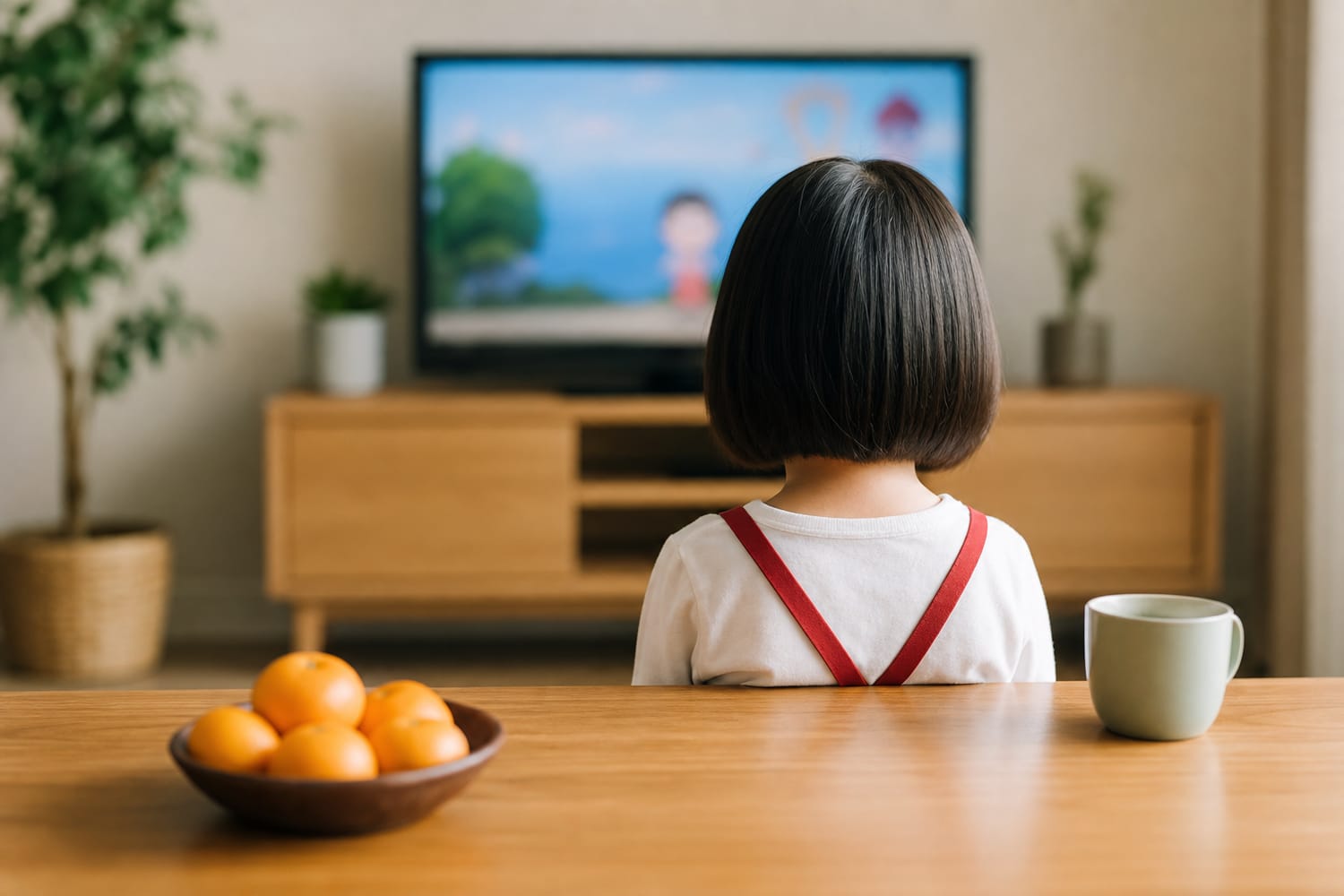
Chibi Maruko-chan is one of Japan’s most beloved slice-of-life anime. Based on Momoko Sakura’s manga, the series first aired in 1990, with a later run beginning in 1995 that continued for decades. It follows Maruko, a mischievous elementary school girl, and her family and classmates.
The show’s strength is nostalgia. Set in 1970s Japan, Chibi Maruko-chan captures childhood with humor, embarrassment, warmth, and honesty. Maruko is not a perfect child; she is lazy, dramatic, funny, selfish, kind, and relatable. Her small problems—homework, family arguments, school events, friendships—become the heart of the series.
Much like Sazae-san, Chibi Maruko-chan thrives on familiarity. Viewers return not for major plot developments, but for the comfort of spending time with characters who feel like old friends.
Doraemon: A Robot Cat for Every Generation
Few anime characters are as globally recognizable as Doraemon. The blue robotic cat from the future has been a symbol of Japanese pop culture for decades. While the earliest anime adaptation aired in the 1970s, the most famous long-running version began in 1979, followed by another major series starting in 2005.
Doraemon follows Nobita, an unlucky and lazy boy, and Doraemon, who uses futuristic gadgets to help him—though the gadgets usually create even bigger problems. The structure is endlessly repeatable: Nobita has a problem, Doraemon offers a device, chaos follows, and a lesson is learned.
This formula has made Doraemon incredibly durable. It mixes comedy, science fiction, moral lessons, and childhood fantasy. The gadgets allow for infinite creativity, while Nobita’s flaws keep the stories grounded. For many viewers across Asia and beyond, Doraemon is one of the defining anime of childhood.
Anpanman: The Hero of Younger Viewers
Soreike! Anpanman, which began airing in 1988, is one of the longest-running anime series for young children. Its hero, Anpanman, is a superhero with a head made of anpan, a sweet bean-filled bread. He protects others, helps those in need, and battles the mischievous Baikinman.
The concept may sound unusual to newcomers, but Anpanman is a massive franchise in Japan. Its themes are simple and powerful: kindness, sharing, courage, and helping friends. Because it is made for very young audiences, the stories are easy to follow and emotionally clear.
The show’s longevity comes from its iconic character design, positive values, and enormous cast. New characters can be introduced constantly, many based on foods or everyday objects, giving the series a nearly endless supply of fresh ideas.
Detective Conan: A Mystery That Refuses to End

For international anime fans, Detective Conan—also known as Case Closed—is one of the most famous examples of a long-running series. It began airing in 1996 and has produced well over a thousand episodes, along with numerous movies and specials.
The premise follows Shinichi Kudo, a teenage detective who is transformed into a child after being poisoned by a criminal organization. Under the identity Conan Edogawa, he solves mysteries while searching for a way to regain his original body.
Unlike purely episodic children’s shows, Detective Conan has an overarching mystery. However, it balances that larger plot with countless standalone cases. This hybrid structure allows the anime to continue for decades: fans can enjoy individual mysteries while still waiting for major developments in the central storyline.
One Piece: The Modern Epic Marathon
One Piece is often the first title that comes to mind when fans think of long-running anime. Beginning in 1999, the series adapts Eiichiro Oda’s manga about Monkey D. Luffy and his pirate crew searching for the legendary treasure known as the One Piece.
Unlike many older record-holders, One Piece is a continuous adventure with major arcs, world-building, character growth, and long-term mysteries. Its length is not based on resetting the status quo every episode, but on expanding an enormous fictional world.
The anime has passed the thousand-episode mark and remains one of the most popular franchises in the world. Its longevity is especially impressive because it maintains a strong central narrative. Fans are not just watching out of habit—they are waiting for answers to mysteries planted years or even decades earlier.
Why These Shows Matter
The longest-running anime series ever reveal that anime is much broader than seasonal hits and late-night fan favorites. Some shows become cultural fixtures not through intense plot twists, but through consistency. They offer comfort, routine, humor, and characters who feel permanent.
Whether it is the family warmth of Sazae-san, the childhood comedy of Chibi Maruko-chan, the imaginative gadgets of Doraemon, or the epic adventure of One Piece, these series endure because they give audiences a reason to return again and again.
In an entertainment world obsessed with finales, reboots, and new releases, long-running anime are fascinating exceptions. They remind us that some stories are not built to end quickly. Some are built to grow alongside their viewers, becoming part of the rhythm of life itself.