A Familiar Invitation to “Come On Down”
Few phrases in television are as instantly recognizable as “Come on down!” For generations of viewers, those three words have signaled excitement, surprise, and the possibility that an ordinary person could suddenly become the star of the show. They belong to The Price Is Right, widely recognized as the longest-running game show in American television history and one of the most enduring entertainment formats ever created.
Since its modern version premiered in 1972, The Price Is Right has become much more than a daytime TV program. It is a cultural ritual, a comfort watch, a showcase for consumer dreams, and a rare television institution that has managed to remain familiar while still evolving with the times. Its success is not simply a matter of longevity. The show has survived because it understands something timeless: people love guessing, winning, cheering, and imagining themselves in the spotlight.
The Origins of a Television Giant
The Price Is Right actually began before the version most viewers know today. The original series premiered in 1956, hosted by Bill Cullen. That early version featured contestants bidding on prizes, but it had a more straightforward quiz-show style compared with the lively, colorful format that later became famous.
The modern version debuted on CBS in 1972 with Bob Barker as host. This revival transformed the show into the fast-paced, audience-driven spectacle that would define it for decades. Contestants were selected from the studio audience, invited to Contestants’ Row, and asked to guess the prices of everyday goods and dream prizes. From there, they could win the chance to play pricing games, spin the giant wheel, and potentially compete in the Showcase.
The formula was simple, but powerful. Unlike trivia-based game shows, The Price Is Right did not require contestants to know obscure facts or solve complex puzzles. It asked them to do something everyone does in real life: estimate the cost of things. That accessibility helped make the show feel democratic. Anyone could play. Anyone could win.
Why the Format Works So Well
At the heart of The Price Is Right is a brilliant idea: pricing is both familiar and unpredictable. Viewers may know the cost of a gallon of milk, a toaster, or a set of luggage, but they may be surprised by the price of a new car, a vacation, or a luxury appliance. The game invites everyone at home to participate mentally, shouting guesses at the television and second-guessing contestants’ choices.
The show also benefits from variety. Each episode includes several different pricing games, ranging from simple guessing challenges to more elaborate mini-games involving luck, timing, and strategy. Games like Plinko, Cliff Hangers, Hole in One, and Punch-a-Bunch became fan favorites because they are easy to understand and fun to watch.
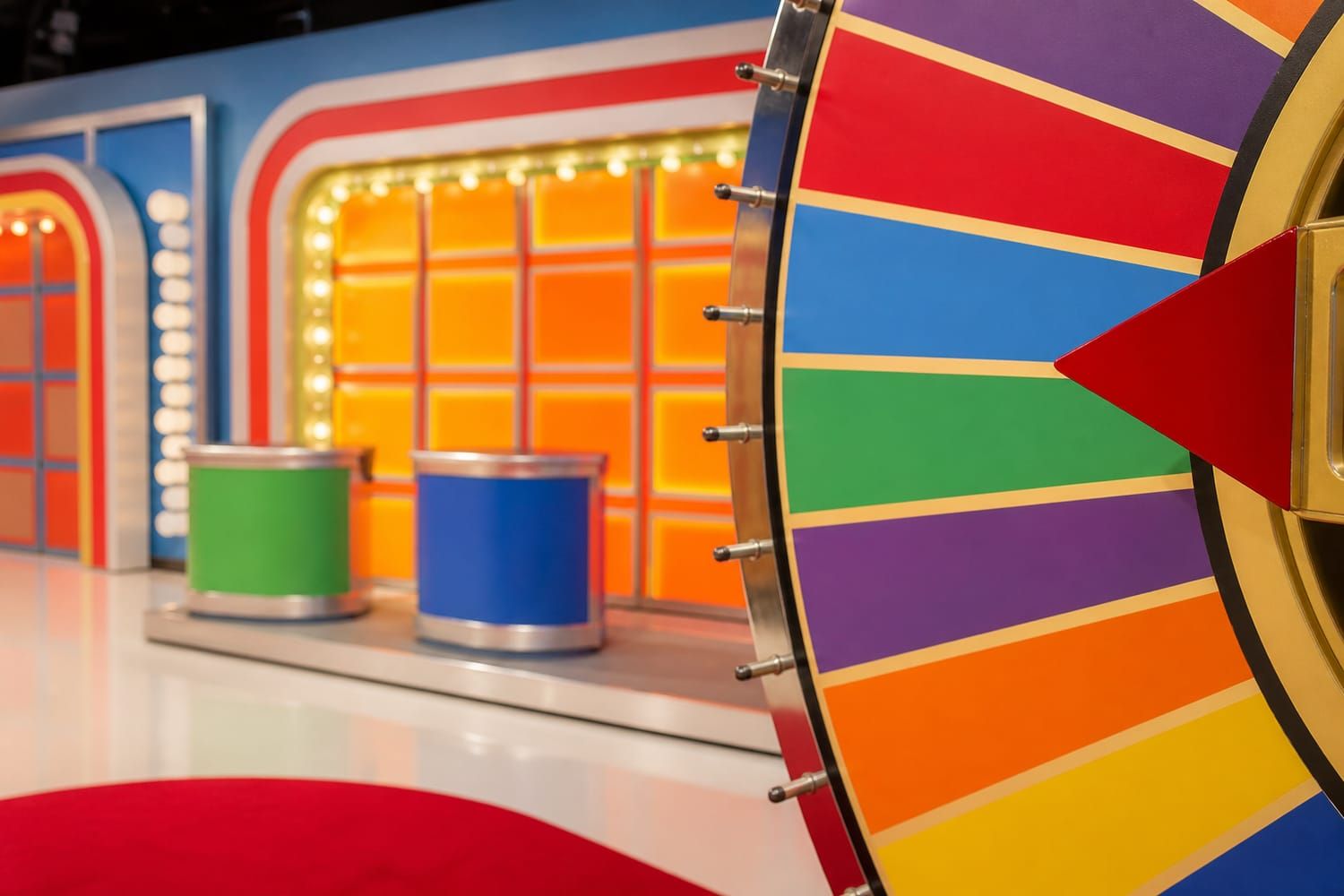
Then there is the Big Wheel, one of the most iconic objects in game show history. Spinning it requires no special skill, but it creates suspense every time. The slow tick of the wheel, the audience chanting, and the hope of landing on one dollar all combine into a perfect television moment. It is visual, dramatic, and instantly satisfying.
Bob Barker and the Power of the Host
No discussion of The Price Is Right can ignore Bob Barker, whose presence helped turn the show into a cultural landmark. Barker hosted the program from 1972 to 2007, becoming one of the most recognizable television personalities in America. His calm humor, polished delivery, and ability to manage unpredictable contestants made him essential to the show’s identity.
Barker was not loud or overly flashy. Instead, he had a steady charm that balanced the chaos around him. Contestants screamed, jumped, hugged him, and sometimes forgot the rules, but Barker kept the show moving with warmth and control. He made the studio feel welcoming, even when thousands of dollars were on the line.
His famous sign-off, reminding viewers to help control the pet population by having pets spayed or neutered, became part of American pop culture in its own right. It showed how deeply a game show host could become embedded in daily life. Barker was not just hosting a program; he was visiting people’s homes every weekday.
Drew Carey and the Challenge of Reinvention
When Drew Carey took over as host in 2007, he faced a difficult task. Replacing a host as beloved as Bob Barker could have been impossible, but Carey succeeded by respecting the show’s legacy rather than trying to reinvent it completely. He brought his own relaxed humor and approachable personality while keeping the structure that audiences loved.
Under Carey, the show modernized gradually. The set became brighter, prizes reflected contemporary lifestyles, and the show embraced social media, themed episodes, and celebrity guests. Yet the essential experience remained the same. Contestants still came from the audience. They still guessed prices. They still spun the wheel. They still dreamed of winning the Showcase.
That balance between tradition and adaptation is one of the main reasons The Price Is Right has lasted so long. It changes just enough to stay current, but not so much that it loses its identity.
A Celebration of Everyday Dreams
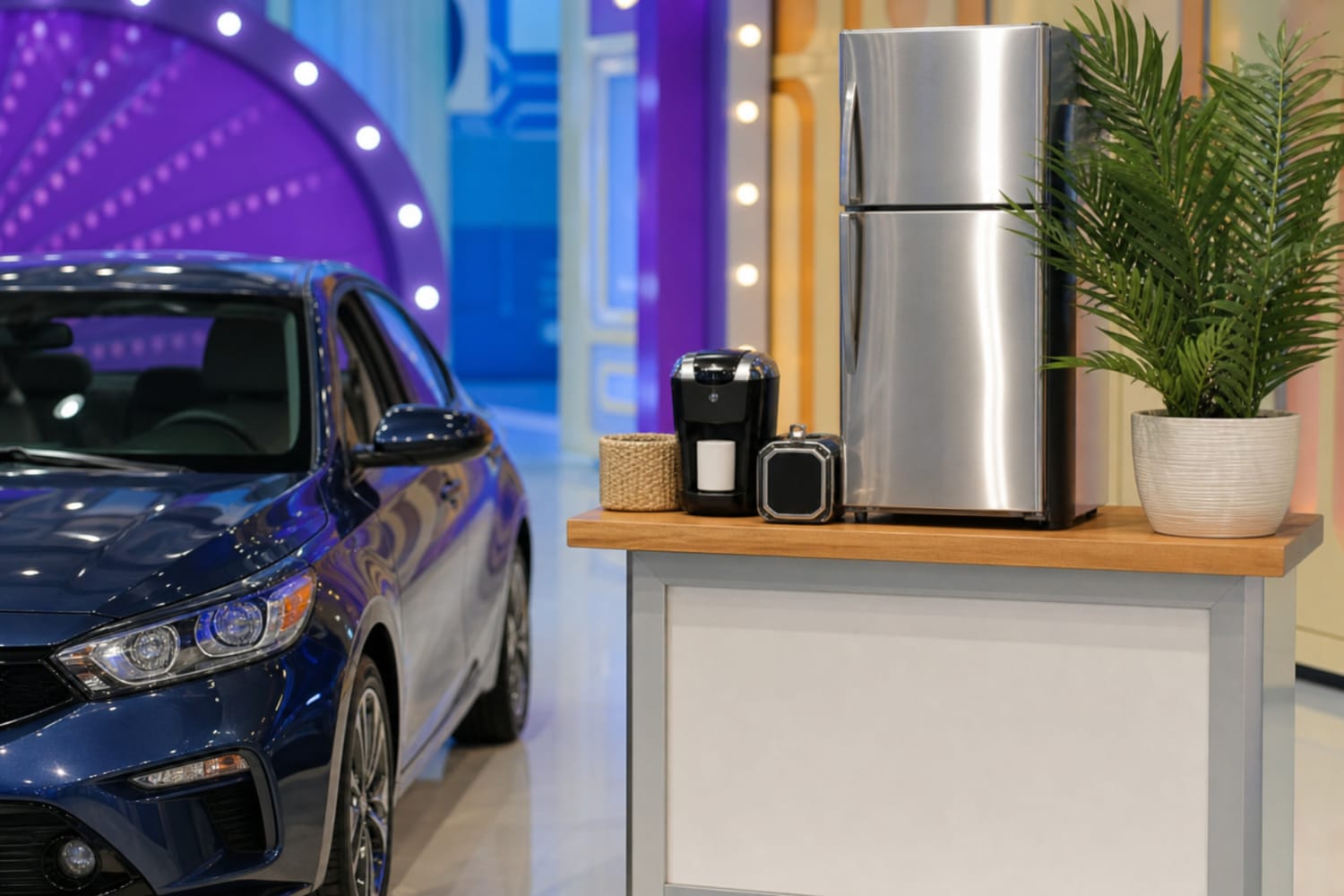
One reason The Price Is Right became a pop culture icon is that its prizes reflect the dreams of everyday people. The show does not usually focus on abstract wealth. Instead, it offers things viewers can imagine using: cars, kitchen appliances, living room furniture, vacations, cash, and home electronics.
These prizes tell a story about American consumer culture. In the 1970s and 1980s, new cars, color televisions, and household appliances represented comfort and success. In later decades, computers, smart devices, designer items, and exotic travel packages reflected changing aspirations. The show became a kind of time capsule, showing what people wanted at different moments in history.
At the same time, the prizes are personal. Winning a car can change someone’s daily life. Winning a vacation can create a once-in-a-lifetime memory. Winning cash can help with bills, family, or future plans. The joy on contestants’ faces feels real because the stakes are relatable.
The Audience as Part of the Show
Unlike many television programs, The Price Is Right depends heavily on its audience. The crowd is not background decoration; it is part of the action. Audience members wear custom T-shirts, wave signs, shout advice, and cheer with incredible energy. Their enthusiasm gives the show a live-event atmosphere.
This audience participation is central to the show’s appeal. Contestants are not polished celebrities. They are teachers, nurses, students, retirees, parents, and tourists. They react with genuine shock and excitement. Sometimes they make brilliant guesses; sometimes they make hilarious mistakes. Either way, viewers connect with them because they seem real.
The show’s famous contestant selection process also adds to the magic. Anyone in the studio audience might be called. That possibility creates a sense of shared anticipation. It is not just a game show; it is a place where ordinary people can be transformed into stars for a few unforgettable minutes.
Iconic Games, Sounds, and Visuals
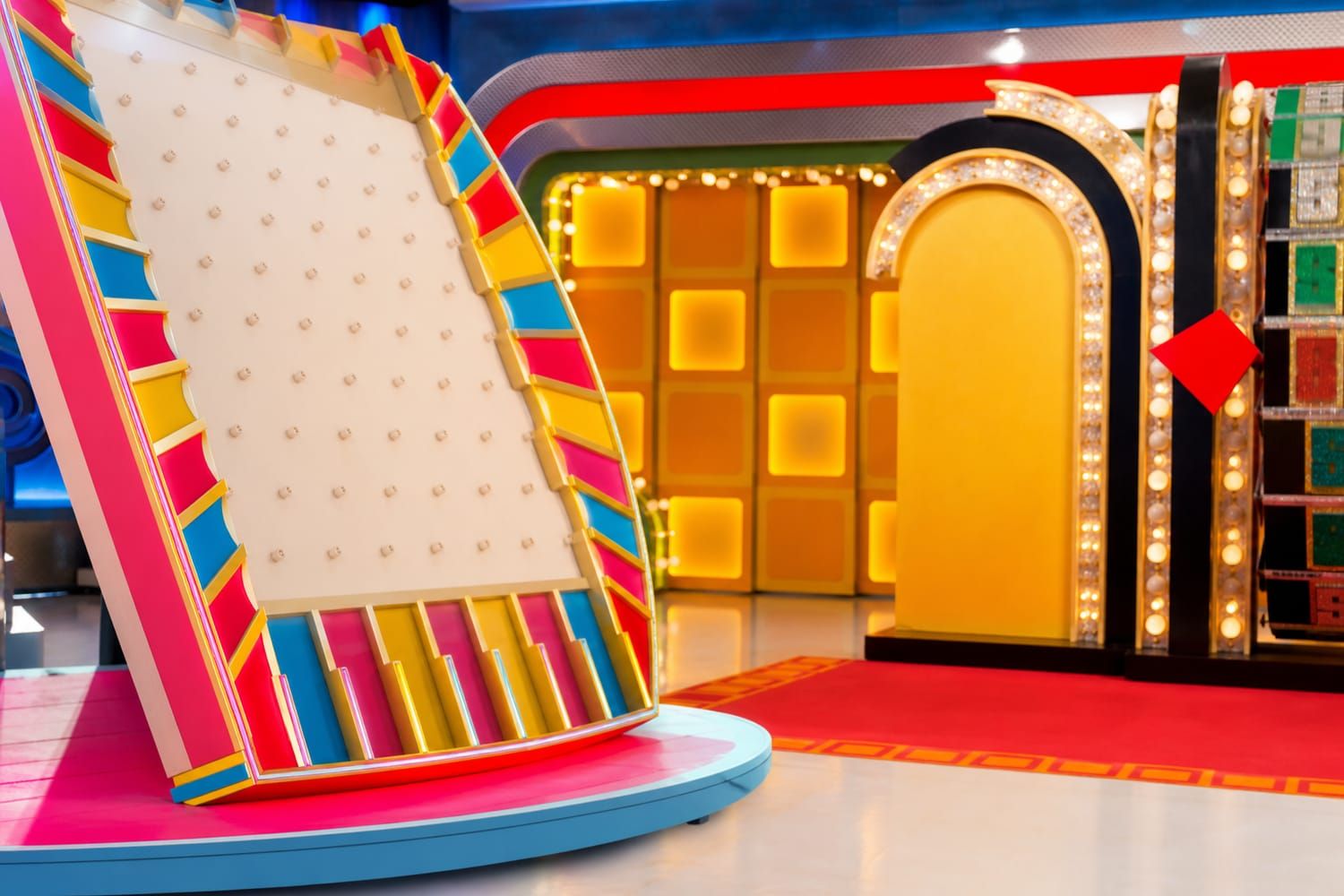
Pop culture icons are built from memorable details, and The Price Is Right has plenty of them. The theme music, the colorful doors, the shining prizes, the giant wheel, and the dramatic reveal of “Actual Retail Price” are all instantly identifiable. Even people who do not watch regularly often recognize the show’s style.
Plinko, in particular, has become a symbol of the series. The sight of a chip bouncing unpredictably down a pegboard is simple but captivating. It combines luck, suspense, and visual clarity in a way that makes perfect television. The game has been referenced in comedy sketches, commercials, and other shows, proving how deeply it has entered the cultural imagination.
The Showcase Showdown is another essential element. It gives the episode a grand finale, allowing top contestants to bid on collections of major prizes. The tension of overbidding, underbidding, and waiting for the final reveal creates a satisfying climax every time.
Why It Endures Across Generations
Many shows become popular for a few years, but few remain beloved for decades. The Price Is Right endures because it offers consistency in a changing world. Viewers know what to expect, and that familiarity is comforting. Turning on the show feels like returning to a place where the rules are clear, the mood is cheerful, and good things can happen.
It also bridges generations. Grandparents who watched Bob Barker can share the show with grandchildren watching Drew Carey. Families can play along together from the couch, debating prices and rooting for contestants. The format is simple enough for children, nostalgic for adults, and entertaining for almost anyone.
Most importantly, the show preserves a sense of optimism. Every episode begins with the idea that someone’s day might suddenly become extraordinary. In an entertainment landscape often filled with conflict, competition, and cynicism, The Price Is Right remains refreshingly joyful.
A Game Show That Became Something Bigger
The Price Is Right is the longest-running game show in American TV history because it is built on a nearly perfect television formula: simple rules, real people, exciting prizes, suspenseful games, and a host who guides the fun. But its status as a pop culture icon comes from something deeper.
The show taps into universal feelings: the thrill of being chosen, the joy of winning, the fun of guessing, and the dream that luck might be on your side. It turns shopping knowledge into entertainment and transforms ordinary contestants into heroes of the moment.
Decades after its debut, audiences still cheer when the announcer calls a name. They still gasp when a contestant overbids by a few dollars. They still chant for the wheel to land on one dollar. And they still smile when someone wins big.
That is why The Price Is Right is more than a game show. It is a shared cultural experience, a television tradition, and a reminder that sometimes the simplest ideas are the ones that last the longest.