Cricket has always had a complicated relationship with time. A T20 match is designed to finish in a few hours, a one-day international in a single day, and a modern Test match in five. But once upon a time, Test cricket occasionally followed a far more stubborn idea: keep playing until someone wins.
That idea produced the longest cricket match ever played: the famous 1939 “Timeless Test” between South Africa and England at Kingsmead, Durban. It began on March 3 and finally stopped on March 14. After 12 calendar days, 10 days of play, more than 1,900 runs, and one of the greatest fourth-innings chases in history, it still ended in a draw.
Not because the teams ran out of cricketing possibilities, but because England ran out of time to catch their boat home.
What Made a Test “Timeless”?
Before Test cricket settled into the five-day format we know today, some matches were played as “timeless” Tests. The concept was simple: there would be no fixed final day. The match would continue until one team won, or until outside circumstances made further play impossible.
In theory, this sounded like the purest form of cricket. No defensive batting to save a match on the final afternoon. No declarations made only because the clock was ticking. No frustration over rain wiping out a result. A timeless Test promised a definite winner.
In practice, it could become absurd.
Cricket is a sport built on endurance, patience, and strategy, but even it has limits. Players get exhausted. Pitches change character. Spectators drift away. Travel schedules matter. In 1939, those limits were stretched further than ever before.
Setting the Scene in Durban
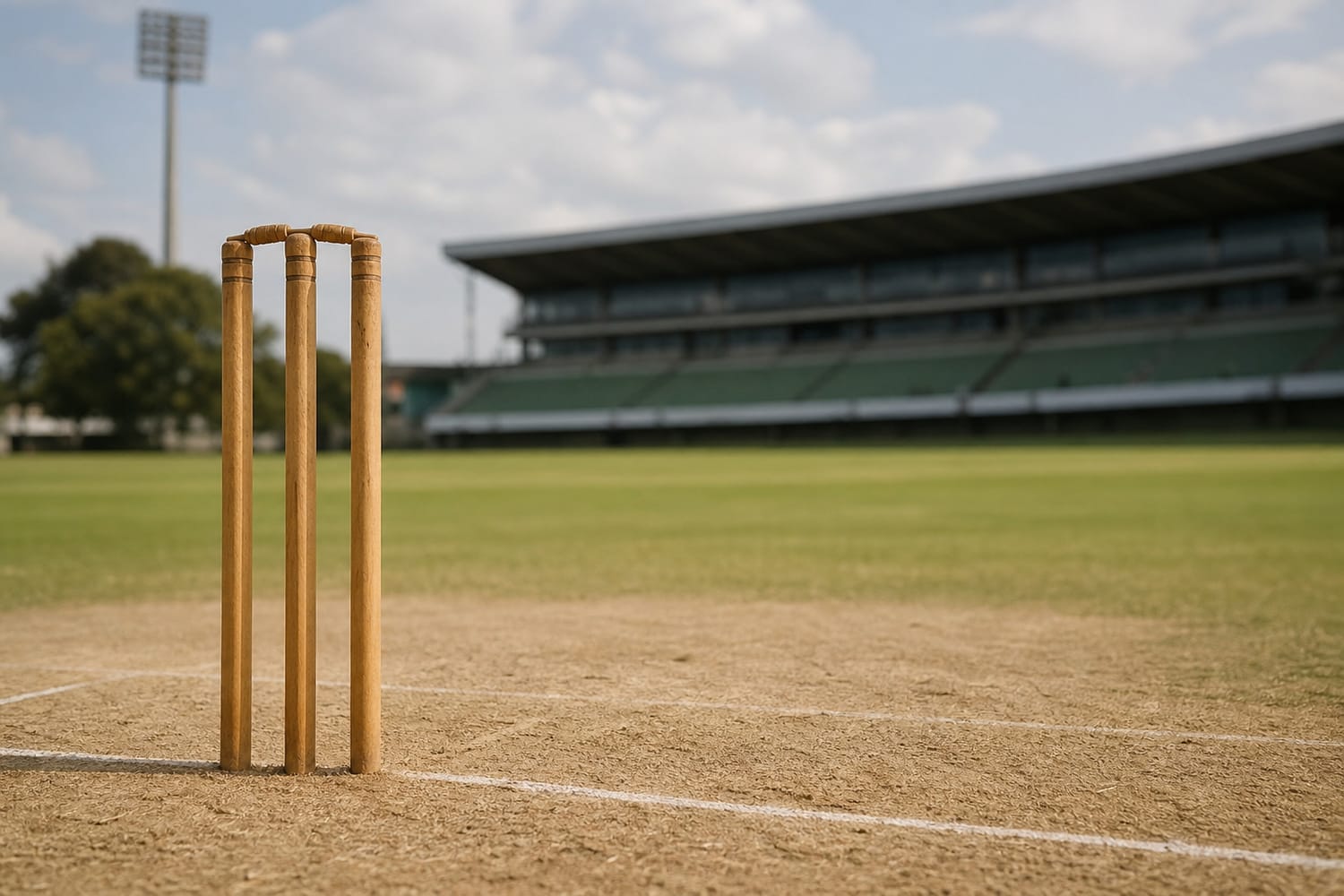
The match took place at Kingsmead in Durban during England’s tour of South Africa. It was the fifth Test of the series, and the authorities wanted a decisive result. To avoid another drawn Test, they agreed to make the final match timeless.
South Africa batted first and immediately showed that this was not going to be a quick contest. Their innings reached 530, built on patient, heavy scoring. England’s bowlers had to work through long spells in the Durban heat, while the South African batters settled into a rhythm that would define the match: slow accumulation, concentration, and very little hurry.
England replied with 316, a respectable total in many circumstances, but not enough to avoid a significant deficit. South Africa then batted again and piled on another 481 runs. By the time England began their final innings, they faced a target of 696.
Even in modern cricket, with aggressive scoring rates and improved bats, a chase of 696 is almost unimaginable. In 1939, it should have been impossible.
A Mountain of Runs
The match became a monument to batting endurance. Across the four innings, the two sides scored 1,981 runs. Bowlers sent down over after over, fielders spent day after day on their feet, and batters treated the crease less like a place to attack from and more like a temporary residence.
South Africa’s first-innings 530 gave them control. Their second-innings 481 appeared to make the result safe. England were being asked to do something no Test team had ever done: chase a target close to 700.
There was no scoreboard pressure in the modern sense of a required run rate, because there was no scheduled end. England did not need to score quickly. They simply needed to survive, build partnerships, and keep going. In a timeless Test, the target was huge, but time was not supposed to be the enemy.
That freedom changed the psychology of the chase. England could approach 696 not as a reckless pursuit, but as a long climb. Session by session, partnership by partnership, they began to make the impossible look strangely realistic.
England’s Impossible Chase

England’s fourth innings became one of the most remarkable batting efforts in Test history. Bill Edrich scored a magnificent 219, an innings of patience and stamina that anchored the chase. Paul Gibb made 120, and captain Wally Hammond added 140. Their contributions turned a theoretical target into a genuine possibility.
As England’s score passed 300, then 400, then 500, the match entered legendary territory. South Africa, who had set a target that should have ended the contest, found themselves unable to finish the job. England kept batting. The pitch, rather than collapsing completely, remained playable enough for disciplined batters to survive.
By the time England reached 654 for 5, they were only 42 runs short of victory. They still had five wickets in hand. A successful chase would have shattered records and stood as perhaps the greatest fourth-innings pursuit the game had ever seen.
But cricket, especially timeless cricket, does not exist outside real life.
Why It Still Ended in a Draw
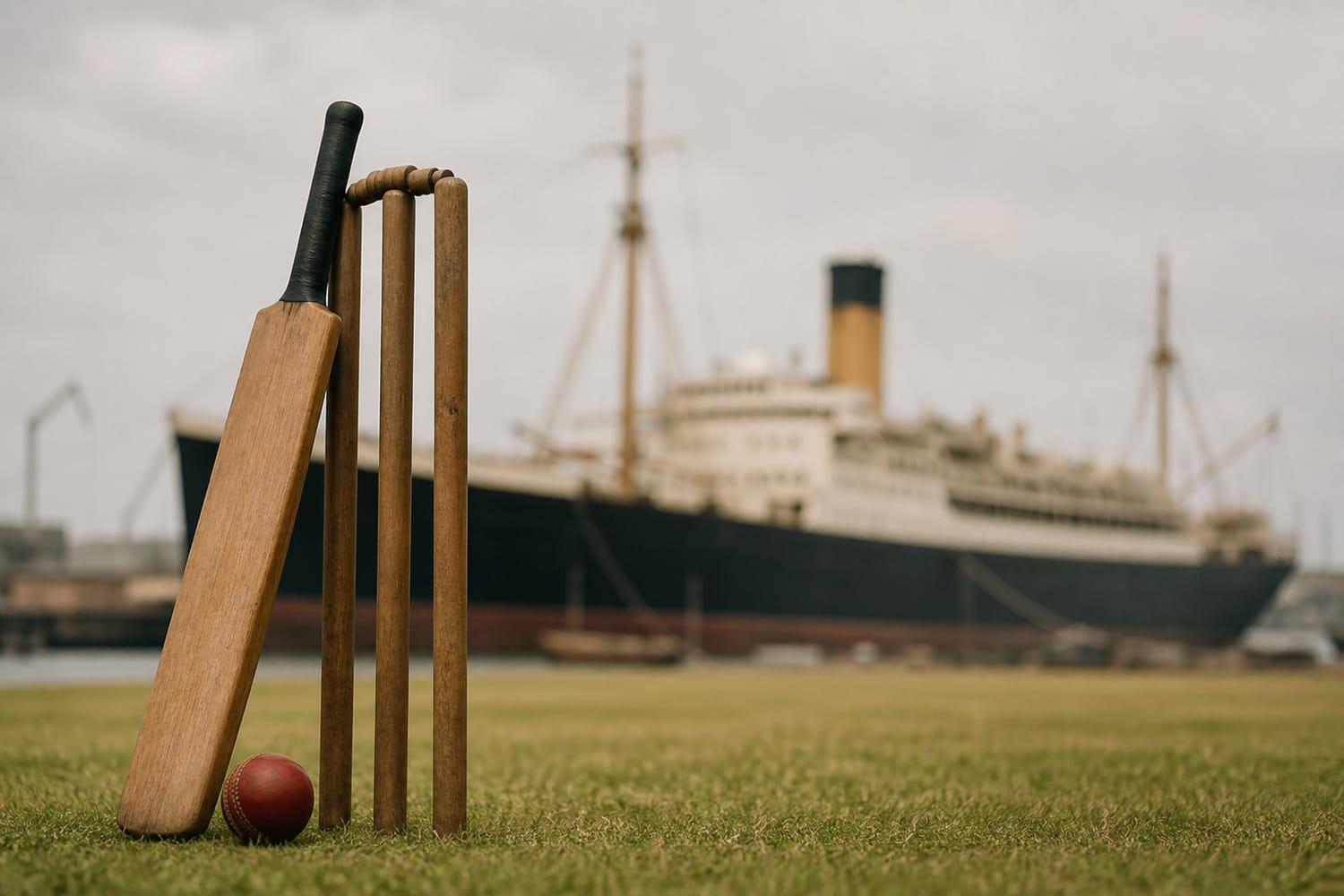
The reason the longest cricket match ever played ended in a draw is almost comically practical: England had to leave South Africa to catch their ship home.
International tours in 1939 were not built around charter flights and flexible travel schedules. Teams traveled by sea, and missing a ship could mean serious delays. England’s players had commitments back home, and the world itself was edging toward a period of enormous uncertainty, with the Second World War only months away.
So, after 12 days on the calendar, the match was abandoned as a draw. England were 654 for 5, needing just 42 more runs. The target was within reach, but the journey home could not wait.
It remains one of cricket’s great ironies. A match designed specifically to avoid a draw became the most famous draw in the sport’s history.
The Human Cost of Endless Cricket
The 1939 Durban Test is often remembered for its statistics, but the human side is just as fascinating. Imagine fielding for days with no clear finish line. Imagine bowling long spells knowing that the opposition could bat for as long as their concentration held. Imagine batting with the knowledge that every run brought history closer, but no clock promised relief.
Timeless cricket demanded physical and mental reserves beyond even normal Test standards. Modern players often speak about the intensity of five-day cricket, but this match stretched beyond that structure. Rest days helped, but they did not erase the fatigue of a contest that seemed to keep expanding.
Spectators also faced a strange experience. A normal Test match has a rhythm: early tension, middle development, final-day drama. The Durban Test had all of that, but then kept going. The drama became less about who would win and more about whether the match itself could ever end.
Legacy of the Last Timeless Test
The 1939 match effectively ended the idea of timeless Tests. It proved that unlimited cricket was not necessarily decisive cricket. A match could be endless in theory and still fail to produce a winner. Worse, it could become logistically impossible.
Since then, Test cricket has embraced the fixed duration. Five days may not always produce a result, but it creates a balanced contest between skill, endurance, weather, pitch conditions, and time management. The clock is not a flaw in Test cricket; it is part of the game’s strategy.
The Durban Timeless Test remains a wonderful cricketing paradox. It was designed to settle matters once and for all, yet it ended unresolved. It produced one of the most heroic chases ever attempted, yet no victory. It lasted longer than any Test before or since, yet still ran out of time.
More than 80 years later, the match stands as a reminder of cricket’s eccentric past. It was grand, exhausting, impractical, and unforgettable — a 12-day epic that proved even “timeless” cricket could not escape the real world.