A Quiet Beginning to a Global Habit
On December 3, 1992, a short message traveled across a mobile network in the United Kingdom and quietly made history. It was not a grand announcement, a breaking news alert, or a carefully crafted marketing slogan. It was simply two words: “Merry Christmas.”
Those two words became the first text message ever sent.
At the time, almost no one could have predicted that this brief seasonal greeting would help launch one of the most important communication habits in modern history. Today, texting feels ordinary. We send quick updates, share jokes, confirm plans, receive security codes, chat with family, and conduct business through short written messages every day. But in 1992, the idea of sending typed messages between mobile devices was still new, experimental, and far from universal.
That first text message marked the beginning of a communication revolution. It showed that mobile phones could be more than tools for voice calls. They could become personal, portable gateways for written conversation.
The Story Behind “Merry Christmas”
The first SMS message was sent by Neil Papworth, a 22-year-old software engineer working for Sema Group, a technology company helping develop messaging systems for Vodafone. Papworth sent the message from a computer, not from a mobile phone, because mobile phones at the time did not yet have the ability to type and send text messages.
The recipient was Richard Jarvis, a Vodafone director, who received the message on an Orbitel 901 mobile phone. The Orbitel 901 was a large device by today’s standards, weighing several pounds and looking more like a piece of office equipment than a sleek smartphone. Still, when Jarvis received “Merry Christmas” on that handset, something extraordinary had happened.
The message itself was simple, friendly, and seasonal. Yet its importance lies not in the words alone, but in what they represented. For the first time, a short written message had been delivered over a mobile network using SMS technology. It proved that mobile communication could be silent, quick, and text-based.
At that moment, texting was not yet a consumer feature. It was a technical demonstration. But like many world-changing inventions, its first use was modest. No fireworks. No global broadcast. Just two words appearing on a screen.
What SMS Actually Means
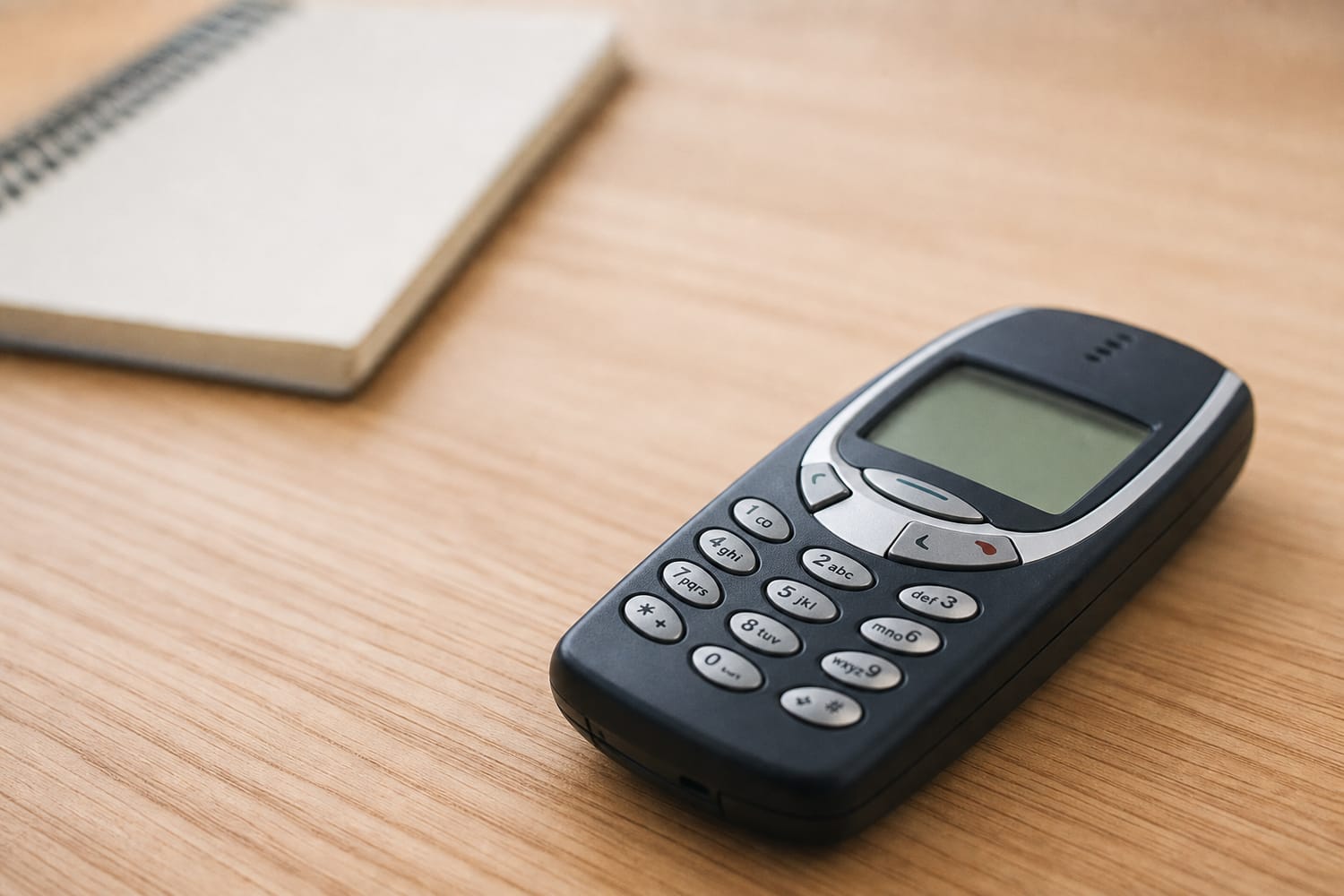
SMS stands for Short Message Service. It was designed as a way to send brief written messages across mobile networks. The original format allowed messages of up to 160 characters, a limit that shaped the style of texting for years.
That character limit was not random. It came from early research into communication habits and the technical restrictions of mobile networks. Engineers needed a compact format that could travel efficiently using existing network signaling systems. The result was a message length that encouraged short, direct communication.
In the early days, SMS was not expected to become a cultural phenomenon. It was seen mainly as a useful technical feature, possibly for alerts or network notifications. Many people assumed voice calls would remain the dominant form of mobile communication.
But users had other ideas.
As mobile phones became more common in the late 1990s and early 2000s, texting rapidly grew in popularity. People discovered that SMS was convenient, discreet, and often cheaper than making a call. It allowed communication in situations where speaking was difficult, inappropriate, or unnecessary.
A text could say, “Running late,” “Call me,” or “I’m outside” without requiring a full conversation. That simplicity became its greatest strength.
Why Two Words Mattered So Much
“Merry Christmas” may seem like an ordinary phrase, but it perfectly demonstrated the emotional power of text messaging. It was personal. It was brief. It carried meaning without needing a voice.
Before texting, remote communication was often divided between phone calls, letters, faxes, and emails. Each had its place, but none offered exactly what SMS would soon provide: instant written contact from almost anywhere.
A phone call required both people to be available at the same time. A letter took days. A fax was tied to offices and machines. Email was powerful, but in the early 1990s it was mostly associated with computers, workplaces, and academic environments.
Texting created a new middle ground. It was faster than mail, more casual than email, less disruptive than a phone call, and more mobile than nearly anything else.
Those two first words hinted at a future where communication would become shorter, quicker, and more constant. They introduced a style of interaction that now defines much of modern life.
The Rise of Texting Culture
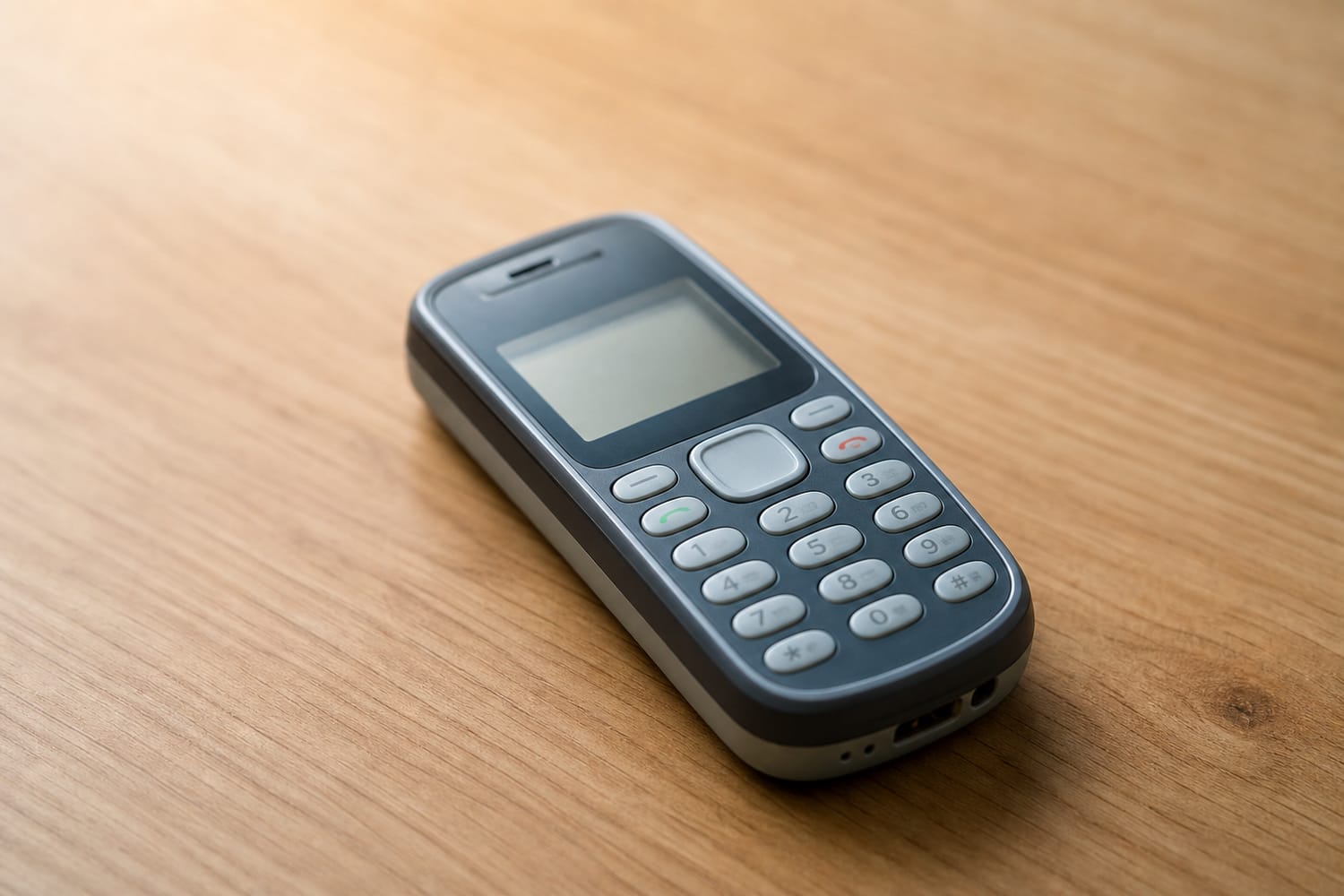
Once mobile phones began supporting two-way SMS, texting spread quickly. Teenagers and young adults were among the earliest enthusiastic adopters. They developed shortcuts, abbreviations, and a distinct texting language.
Phrases like “LOL,” “BRB,” and “OMG” became common. People shortened words to save characters and time. Before smartphones had full keyboards, users typed messages on numeric keypads, pressing number keys multiple times to select letters. Writing a text could be slow, but people became surprisingly fast at it.
Texting changed social behavior. It made communication more flexible and less formal. Plans could be adjusted at the last minute. Friendships could be maintained through small daily messages. Romantic relationships gained a new layer of constant connection, from sweet goodnight texts to anxious waits for replies.
It also introduced new social rules. How quickly should someone respond? Is a one-word reply rude? What does it mean if someone reads a message but does not answer? These questions became part of everyday life as texting became embedded in culture.
By the mid-2000s, SMS had become one of the most widely used communication tools in the world.
From SMS to the Smartphone Era
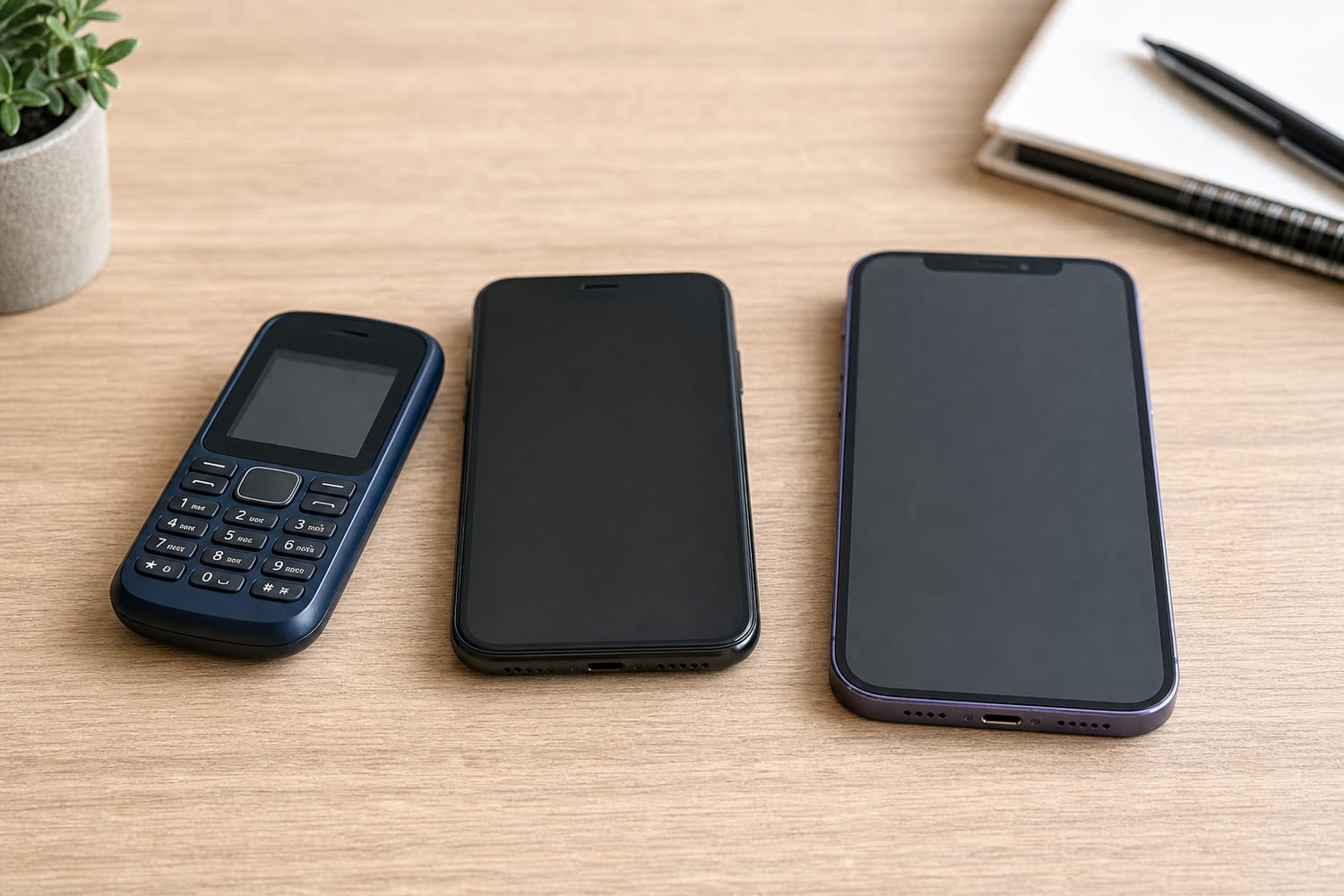
The arrival of smartphones transformed messaging again. SMS remained important, but it was joined by internet-based messaging apps such as WhatsApp, iMessage, Facebook Messenger, Telegram, Signal, and many others.
These apps expanded what a message could be. Instead of only plain text, people could send photos, videos, voice notes, emojis, GIFs, stickers, documents, locations, and links. Group chats became central to family life, workplaces, friendships, and communities.
Yet the DNA of SMS remained visible. The core idea was still the same: short, fast, personal communication delivered directly to someone’s device.
Even in a world filled with advanced apps, traditional text messaging continues to matter. SMS is still used for appointment reminders, delivery updates, emergency alerts, banking notifications, and two-factor authentication codes. It remains one of the few messaging systems that works across nearly all mobile phones, regardless of brand or operating system.
The technology that began with “Merry Christmas” still supports everyday life more than three decades later.
How Texting Changed the Way We Communicate
Texting did more than create a new tool. It changed expectations.
People now expect communication to be immediate. We assume we can reach someone quickly, whether they are across town or across the world. We expect updates in real time. We expect businesses to confirm orders, doctors to remind us of appointments, and friends to answer casual questions throughout the day.
Texting also changed language. Written communication became more conversational. Punctuation, capitalization, emojis, and message length all took on emotional meaning. A period at the end of a short message can seem serious. An emoji can soften a sentence. A delayed reply can create uncertainty.
In many ways, texting blurred the line between speaking and writing. It has the speed of conversation but the permanence of written words. It allows people to think before responding, but it also encourages rapid exchanges.
For better or worse, texting has made communication more continuous. We are more connected than ever, but also more reachable. The same technology that helps us stay close can also make it harder to disconnect.
The Legacy of the First Text
Looking back, the first text message feels almost poetic. “Merry Christmas” is a message of connection, goodwill, and celebration. It was sent during a season associated with reaching out to others, making it a fitting beginning for a technology that would eventually connect billions of people.
Neil Papworth could not have known that his simple greeting would become a landmark in communication history. Richard Jarvis, receiving the message on a bulky early mobile phone, was witnessing the start of something much larger than a technical test.
Today, billions of messages are sent every day. Some are important, some are forgettable, some are life-changing, and some are as simple as “I’m here” or “Thinking of you.” Each one belongs to a communication tradition that began with those two words in 1992.
The first text message did not arrive with dramatic fanfare. It arrived quietly, almost casually. But its impact has been enormous.
From that first “Merry Christmas” came a new way for humans to share thoughts, feelings, plans, reminders, jokes, apologies, and love. Two words proved that communication could be instant, mobile, and written. In doing so, they helped change the world forever.